
Tick Bites: Symptoms, Treatment, and When to Worry
With warmer weather comes increased tick activity. Found in wooded, brushy, and grassy areas, ticks wait for people and animals to pass by before attaching themselves to feed. Because symptoms may not appear right away, it’s important to check yourself, your children, and your pets after spending time outdoors.
Many tick bites don’t carry disease, but some can transmit serious diseases including Lyme disease and Rocky Mountain spotted fever. Recognizing tick bite symptoms, removing ticks properly, and knowing when to seek medical care can help reduce the risk of complications.
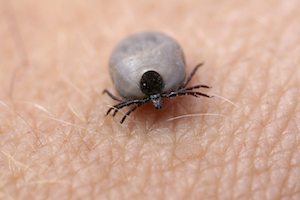
Tick Bite Symptoms
The type of tick will often determine what symptoms you experience if bitten. While symptoms may be minimal or not appear at all, some tick bites can cause fever, headache, fatigue, rash, chills, body aches, and other flu-like symptoms.
If you’ve spotted bites and want to confirm or rule out bed bugs, look for signs beyond the bites themselves. Bed bugs leave behind evidence that can help determine whether they’re the cause.
Deer Tick Bite Symptoms
Blacklegged ticks, also known as deer ticks, are the primary transmitters of anaplasmosis, babesiosis and Lyme Disease.
Common symptoms include:
-
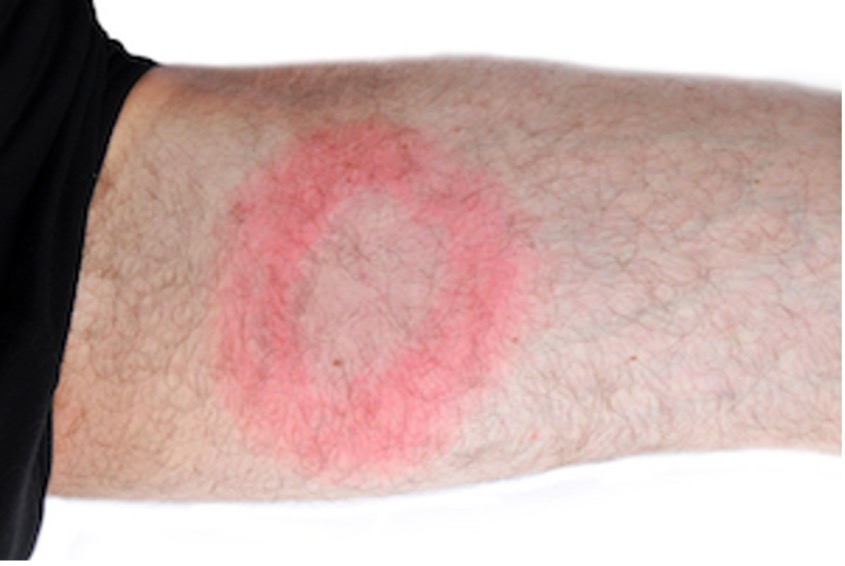
Lyme disease: Fever, headache, fatigue and a Bull’s eye-shaped skin rash.
-
Babesiosis: Fever, chills, body aches and fatigue.
American Dog Tick Bite Symptoms
American dog ticks prefer to feed on domestic dogs and are only found in North America, which is how they got their name!
Signs and symptoms to look for include:
-
Bites and itching
-
Fever
-
Tick paralysis (in some cases)
-
Rash near the bite site, which may be a sign of tularemia and Rocky Mountain Spotted fever
Brown Dog Tick Bite Symptoms
Brown dog ticks also prefer to feed on dogs. They’re known for infesting homes once brought inside by laying eggs in cracks and crevices. These ticks can transmit canine ehrlichiosis and canine Babesia.
Symptoms to watch for include:
-
Fever
-
Irregular bleeding
-
Systematic shock
Lone Star Tick Bite Symptoms
Prevalent in the eastern and southeastern states Lone Star ticks are known for leaving a circular rash. They can also transmit:
-
Tularemia: Flu-like symptoms, swollen lymph nodes, and skin ulcers at bite site
-
Alpha-gal: Allergy to mammalian meat
-
Ehrlichiosis: Fever, headache, chills, muscle pain and nausea.
Rocky Mountain Wood Tick Bite Symptoms
This tick is a vector of Rocky Mountain spotted fever, Colorado tick fever, and tularemia.
Symptoms include:
-
Rocky Mountain spotted fever: A rash that develops within 2-5 days, starting with the wrists and ankles, which is then spread to other parts of the body.
-
Colorado tick fever: Sudden onset saddleback fever, headache, and muscular pain.
What Do Tick Bites Look Like?
Tick bites can vary depending on the type of tick and whether it has transmitted a disease. While many bites cause few or no noticeable symptoms, some may leave a rash near the bite site or a distinctive bull's-eye-shaped rash associated with Lyme disease. Lone Star tick bites may also leave a circular rash. If you notice a rash, fever, headache, or other flu-like symptoms after a tick bite, contact your healthcare provider, as these may be signs of a tick-borne illness.
Tick Bite Treatment
If you find a tick attached to your skin, remove it as soon as possible using fine-tipped tweezers. This method is endorsed by the Center for Disease Control (CDC), the Human Society and ASPCA (for pets).
To remove a tick safely:
-
Gently pull back the exposed area of the bite
-
Locate the tick’s head and grasp it as close to the skin as possible using fine tipped tweezers.
-
Pull outward in a straight motion. Avoid twisting, as the tick may become stuck.
-
Once the tick is fully removed, clean the bite area and your hands with soap and water.
Learn more about how to safely and easily remove a tick with video instructions from Dr. Jorge Parada, medical advisor for the National Pest Management Association with a focus on infectious diseases.
While many ticks don’t carry disease, some can transmit dangerous bacteria. If you suspect you’ve been bitten by a tick, it’s always best to seek medical attention. When treated early, especially in cases of Lyme disease, there is a better chance of successful treatment. Doctors can often prescribe antibiotics for tick bite treatment.
When to Worry About a Tick Bite
If you remove a tick and a few weeks later notice a rash, headache or fever, call your doctor and tell them about the bite, including when and where you were exposed. If you’re able to save the tick, bring it to your appointment in a sealed bag for further testing.
How to Prevent Tick Bites
Experts suggest:
-
Wearing tick repellent
-
Wearing long-sleeved clothes
-
Avoid sitting on logs, stumps, or the ground in bushy areas.
Homeowners can also help reduce tick activity by keeping grass well-trimmed especially around trails, paths and yard edges.
Contact a Tick Control Professional
If you suspect you have a tick problem on your property, contact a pest control professional. A certified pest control professional can:
-
Inspect the home and property for tick activity
-
Identify the type of ticks present
-
Recommend the most effective course of action

Learn About Rodents
Rodents invade millions of homes each winter. Learn more about them!

NPMA’s Bugs Without Borders
NPMA’s Bugs Without Borders research uncovers surprising shifts in America’s pest landscape and what homeowners should expect next.

NPMA's Bug Barometer Forecast
The latest Bug Barometer® forecast from the National Pest Management Association reveals what homeowners across America can expect from pest activity this fall and winter.
Find a PEST PRO in your area
Learn About Rodents
Rodents invade millions of homes each winter. Learn more about them!
NPMA’s Bugs Without Borders
NPMA’s Bugs Without Borders research uncovers surprising shifts in America’s pest landscape and what homeowners should expect next.
NPMA's Bug Barometer Forecast
The latest Bug Barometer® forecast from the National Pest Management Association reveals what homeowners across America can expect from pest activity this fall and winter.