
Is It Normal to Have Spiders in Your House?
Article Summary:
- It’s normal to have spiders in your house, especially during seasonal changes when they move indoors for shelter or food.
- Seeing one or two spiders occasionally is typical, and there is no specific number considered “normal.”
- Most house spiders are harmless and considered a nuisance pest rather than a health threat.
- Only a few species in the U.S., such as black widow and brown recluse spiders, pose potential medical risks.
- Frequent spider sightings or excessive webbing may signal a larger issue and should be evaluated by a licensed pest control professional.
You walk into your bathroom and freeze. There, in the corner near the ceiling, sits an eight-legged intruder, casually just hanging out like it’s their place. Your heart races as you wonder: Is it normal to have spiders? Should I be worried? How can I get this spider off my ceiling? And more importantly—how many of these things are actually living in my house?
So, is it normal to have spiders in your house? Yes. Spiders are common household visitors that have coexisted with humans for generations.
The common house spider is the species most often encountered indoors and is typically found in furniture, closets, and structures such as garages, sheds, barns, and warehouses. Outdoors, these spiders tend to hang around windows and under eaves, especially near light sources that attract their prey.
How Many Spiders Are Normal in a House?
There’s no magic number when it comes to how many spiders are considered “normal” in a home. Seeing one or two occasionally, especially during seasonal changes, is perfectly typical. Spider sightings may increase during certain times of the year as they move indoors in search of shelter or food.
However, if you’re noticing frequent spider sightings or webs throughout your house, it’s best to contact a licensed pest control professional who can assess your home and provide expert solutions as it can indicate a larger problem.
Are House Spiders Dangerous?
Most house spiders are not dangerous to humans. House spiders are generally considered nuisance pests, mainly because of the messy webs they leave behind rather than any real threat. If you struggle with arachnophobia, spiders may feel incredibly upsetting to you psychologically. However. they rarely bite, and when they do (usually only when threatened or crushed), their venom is too weak to cause harm to humans.
Other spiders that you may find in your home that pose little to no threat to humans since they aren’t venomous include wolf spiders, cellar spiders and jumping spiders.
What Spider Species Are Dangerous?
There are two spider species in the United States that do require attention: black widow spiders and brown recluse spiders.
Black Widow Spiders:
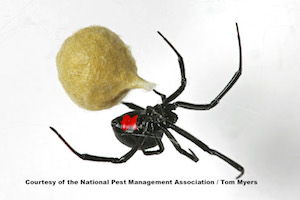
Typically timid and non-aggressive, black widows prefer dry, undisturbed areas such as closets, woodpiles, and under sinks. However, their venom is quite potent, and a bite can cause serious physical symptoms.
Medical experts say an initial bite may feel like a pinprick, followed by slight swelling and redness. Within a few hours, intense pain, stiffness, chills, fever, muscle cramps, nausea, vomiting, and severe abdominal pain can occur.
The good news? Bites are rare and fatalities are extremely uncommon thanks to modern medical treatment. Seek medical attention if you suspect a black widow spider bite.
Brown Recluse Spiders:
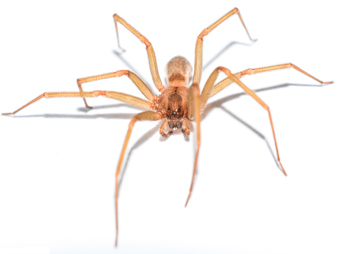
Like black widows, brown recluse spiders are also shy and non-aggressive. They prefer undisturbed areas such as attics, basements, and storage spaces.
A brown recluse bite typically causes mild stinging, followed by redness and pain within several hours. A blister may form and eventually slough off, leaving a deep ulcer.
Medical experts share that reactions can range from mild fever and rash to nausea and fatigue, and medical attention should always be sought.
How to Prevent Spiders in Your House
To help prevent encounters with house spiders, the National Pest Management Association (NPMA) recommends:
- Sealing cracks and crevices around the home using a silicone-based caulk
- Keeping garages, attics, and basements clean and clutter-free
- Shaking out and inspecting shoes and clothing before wearing them
- Using a vacuum to remove adult spiders, egg sacs, and webs
- Storing clothes and shoes in plastic containers
- Sweeping away webs around the home regularly
- Removing clutter from basements, attics, and garages
Find Professional Spider Control Near You
If you suspect a spider infestation in your home or if you've identified black widow or brown recluse spiders, contact a licensed pest control professional to handle the situation safely and effectively. PestWorld is a nonprofit organization and does not benefit financially from your choice of pest control provider.

Learn About Rodents
Rodents invade millions of homes each winter. Learn more about them!

NPMA’s Bugs Without Borders
NPMA’s Bugs Without Borders research uncovers surprising shifts in America’s pest landscape and what homeowners should expect next.

NPMA's Bug Barometer Forecast
The latest Bug Barometer® forecast from the National Pest Management Association reveals what homeowners across America can expect from pest activity this fall and winter.
Find a PEST PRO in your area
Learn About Rodents
Rodents invade millions of homes each winter. Learn more about them!
NPMA’s Bugs Without Borders
NPMA’s Bugs Without Borders research uncovers surprising shifts in America’s pest landscape and what homeowners should expect next.
NPMA's Bug Barometer Forecast
The latest Bug Barometer® forecast from the National Pest Management Association reveals what homeowners across America can expect from pest activity this fall and winter.