
Self-Storage
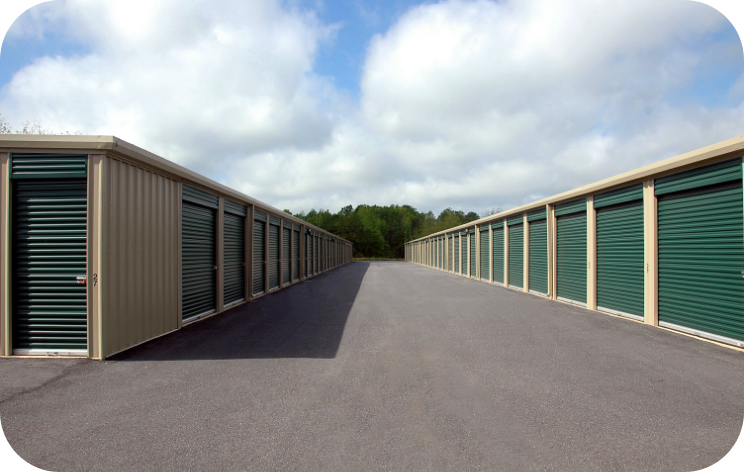
Self-storage facilities can provide ideal hiding places for pests. Rodents, insects and other pests may enter through gaps in the building or be brought in with boxes, furniture, clothing and other stored belongings.
Because rented units may remain closed and undisturbed for long periods, pest activity can go unnoticed until it spreads to neighboring units or common areas. A partnership with a pest control professional to implement an integrated pest management (IPM) plan can help protect the facility and customers’ belongings.
Why Is Pest Control Important in Self-Storage Facilities?
Self-storage facilities face several unique pest management challenges. Units may sit unused for months, while cardboard boxes and furniture, among other personal belongings, can provide shelter and nesting material. Customers may unknowingly bring pests into the facility, too. Items such as improperly stored pet food or birdseed can encourage pest activity.
Pests can move between units through adjoining walls , ceilings, utility pathways and gaps around doors. Moisture from leaks, poor drainage or condensation can further contribute to pest problems. Since employees typically have limited access to occupied units, infestations may remain hidden until signs appear elsewhere on the property.
Pest activity can create problems that extend beyond the immediate infestation, including:
- Damage to furniture, clothing, documents and other valuables.
- Customers may lose confidence in a facility or seek compensation if they believe pests damaged their belongings.
- Negative reviews and word-of-mouth can make it harder to attract and retain tenants.
- Rodents can gnaw wiring, while termites can threaten wooden structures.
- Inspections and treatments may require coordination with multiple tenants or temporary restrictions in affected areas.
- Recurring pest problems can make units unavailable and contribute to customer turnover.
Common Pests in Self-Storage Facilities
Rodents: Mice and rats can enter through small openings, damaged door seals or open unit doors and may also be brought inside through stored belongings. They can damage boxes, furniture, wiring and personal property and leave behind droppings, urine and nesting materials.
Cockroaches: Cockroaches may be introduced in boxes, appliances, furniture and other belongings. Food residue, pet food, moisture and clutter can provide the conditions they need to survive and reproduce. They can also move between units through small openings and shared building spaces.
Ants: Ants may enter through cracks, exterior doors and other openings while searching for food or water. Activity may be more common near landscaping or moisture-damaged areas. Proper identification is important because different ant species require different management approaches.
Bed bugs: Bed bugs can be transported into storage units on mattresses, furniture, luggage and clothing. They can remain hidden in belongings and potentially be transported elsewhere.
Spiders & occasional invaders: Spiders, crickets, centipedes and silverfish can enter through gaps beneath doors or openings in the building exterior. While many are primarily nuisance pests, their presence can be a sign of conditions that allow other pests to enter. Silverfish may also damage paper products, photographs, books and some fabrics.
IPM Prevention Tips for Self-Storage Facilities
A successful pest management program combines building maintenance, monitoring and customer education.
- Make sure roll-up doors close properly and have tight-fitting seals.
- Address noticeable condensation, water stains and musty odors promptly.
- Prohibit perishable food and require permitted food, pet food and birdseed to be stored in sealed, durable containers.
- Recommend tenants utilize plastic containers with secure lids instead of used cardboard boxes. Stored furniture, clothing and textiles should be clean and dry.
- Regularly inspect hallways, offices, loading areas, utility rooms, vacant units and the building perimeter for pest evidence and conditions that could attract pests.
- After a tenant moves out, check for pest activity, moisture and structural gaps and address problems before a new tenant moves in.
- Train employees to document pest sightings and ensure customers know how to report suspected activity quickly.
Work with a Pest Management Professional
Self-storage facilities can be particularly challenging, and treating only visible activity may not address the source of the problem. A qualified pest management professional can inspect the property and help develop an effective, targeted treatment plan. Working with a pest management professional allows operators to address problems proactively and consistently while helping reduce the likelihood of recurring infestations.

Learn About Rodents
Rodents invade millions of homes each winter. Learn more about them!

NPMA’s Bugs Without Borders
NPMA’s Bugs Without Borders research uncovers surprising shifts in America’s pest landscape and what homeowners should expect next.

NPMA's Bug Barometer Forecast
The latest Bug Barometer® forecast from the National Pest Management Association reveals what homeowners across America can expect from pest activity this fall and winter.
Find a PEST PRO in your area
Learn About Rodents
Rodents invade millions of homes each winter. Learn more about them!
NPMA’s Bugs Without Borders
NPMA’s Bugs Without Borders research uncovers surprising shifts in America’s pest landscape and what homeowners should expect next.
NPMA's Bug Barometer Forecast
The latest Bug Barometer® forecast from the National Pest Management Association reveals what homeowners across America can expect from pest activity this fall and winter.