
Why Are Ticks So Bad This Year? States Seeing Increased Tick Activity in 2026
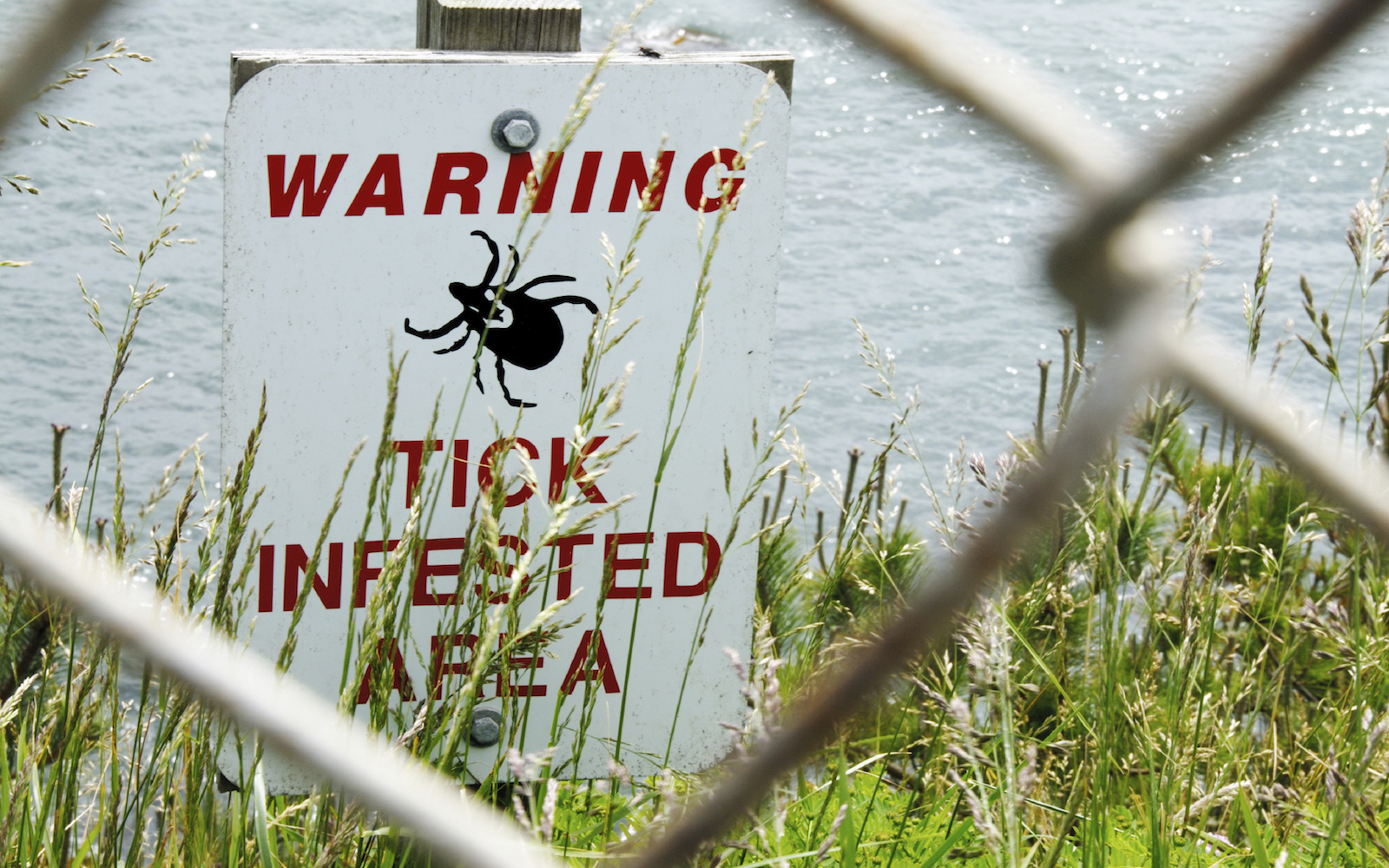
As temperatures shift and seasonal patterns evolve, tick activity across the United States is expected to rise earlier and spread more aggressively in several regions. According to the National Pest Management Association’s (NPMA) latest Bug Barometer, weather trends like mild winters, warmer springs, and increased rainfall are creating ideal conditions for ticks to thrive.
Knowing where they will be most active can help homeowners and businesses better understand why there are so many ticks this year and take preventative steps before peak season hits.
35 States Expected to See Increased Tick Activity in 2026
Mid-Atlantic & New England
A mild start to winter, followed by a drier spring, is expected to accelerate pest season across this region. As temperatures rise, ticks will likely become active earlier than usual.
States in this area likely to see early tick activity include:
1. Maine
2. New Hampshire
3. Vermont
4. Massachusetts
5. New York
6. Rhode Island
7. Connecticut
8. New Jersey
9. Pennsylvania
10. Delaware
11. Maryland
12. Washington, D.C.
13. Virginia
South Central
Despite a colder winter, the region is projected to experience a mild and damp spring, conditions that are especially favorable for ticks.
State in this area likely to see early tick activity include:
1. Mississippi
2. Tennessee
3. Louisiana
4. Arkansas
5. Oklahoma
6. Texas
North Central
Warmer than normal spring conditions are expected to trigger an earlier tick season across these states:
1. North Dakota
2. South Dakota
3. Nebraska
4. Kansas
5. Montana
6. Wyoming
Great Lakes, Ohio Valley & Midwest
Spring warming trends will bring pest activity forward, with tick populations increasing as summer progresses in these states:
1. West Virgina
2. Ohio
3. Kentucky
4. Indiana
5. Michigan
6. Wisconsin
7. Illinois
8. Iowa
9. Missouri
10. Minnesota
Why Tick Activity is Increasing
Ticks depend on warm temperatures and humidity to survive and reproduce. When winters are mild, more ticks survive into the spring. Add increased rainfall and vegetation growth, and ticks have more places to hide and more hosts to feed on.
Because ticks can remain attached to a host for days while feeding, they have ample opportunity to spread diseases if not detected early. This combination of environmental conditions and biological behavior is driving the increased activity seen in 2026.
The Health Risks Behind Increased Tick Activity
While Lyme disease is the most widely recognized tick-borne illness, it is far from the only concern. Ticks can transmit a variety of illnesses that can range from mild to severe, such as:
· Human Monocytic Ehrlichiosis (HME) can cause fever, muscle aches, and confusion, and may be fatal if left untreated. Transmitted by Lone Star ticks, this species is primarily found in affected states including Missouri, Oklahoma, Arkansas, Tennessee, New Jersey, New York (particularly Long Island) and coastal New England.
· Human Granulocytic Anaplasmosis (HGA) is another infection linked to blacklegged ticks and can lead to severe symptoms, particularly in older adults or those with weakened immune systems. This is mainly concentrated in the Northeast and upper Midwest.
· Babesiosis affects red blood cells and can cause anemia and serious complications in vulnerable individuals. This is mainly concentrated in the Northeast and upper Midwest.
· Tick-borne Relapsing Fever (TBRF) is a bacterial infection that can be difficult to detect, but brings episodes of fever, headache, muscle aches, nausea, and vomiting. A week-long dose of antibiotics can help resolve symptoms much faster. Affected states may include Montana and Texas.
Increased tick activity doesn’t just mean more bites. It increases the risk of exposure to multiple diseases.
When Tick Season Peaks
Ticks are typically most active during the warmer months, especially in summer when people and pets spend more time outdoors. They tend to live in trees, shrubs, and tall grass, where they can easily attach to a host.
As temperatures rise, tick populations grow, and the likelihood of encountering them increases significantly. This makes early season awareness especially important in years like 2026, when activity has already started sooner than usual.
How to Protect Yourself and Your Property
With tick activity expected to rise, prevention is critical. The good news is that tick bites are avoidable with the right precautions.
To protect yourself from ticks:
· Avoid areas with dense brush or tall grass
· Wear light colored clothing to make ticks easier to spot
· Tuck pants into socks and shirts into pants when outdoors
· Apply repellents containing at least 20% DEET
· Perform thorough tick checks after spending time outside
· Keep grass cut and remove weeds, woodpiles, and debris
· Inspect yourself, your family members, and pets for ticks routinely
· Be on the lookout for signs of tick bites, including a red bull’s eye rash around a bite
These simple steps can significantly reduce the likelihood of tick attachment and disease transmission.
What to Do If You Find a Tick
If you find a tick attached to your skin, act quickly. Ticks typically need 24–48 hours of feeding before they can transmit diseases, so early removal greatly reduces risk.
The safest method to remove a tick is to use fine tipped tweezers:
· Grasp the tick as close to the skin as possible
· Pull straight out with steady pressure
· Avoid twisting or crushing the tick
· Clean the bite area thoroughly after removal
Prompt and proper removal is one of the most effective ways to prevent infection. For more information, view Dr. Parada’s explanation on how to perform tick removal.
Find a Local Pest Professional for Tick Control
If you’re noticing increased tick activity on your property this year, taking action early can help reduce exposure risks. A pest professional can assess your property, identify areas where ticks may be active, and recommend steps to help protect your home, family, and pets.
PestWorld’s Find a Pro tool connects you with licensed pest control professionals in your area..

Learn About Rodents
Rodents invade millions of homes each winter. Learn more about them!

NPMA’s Bugs Without Borders
NPMA’s Bugs Without Borders research uncovers surprising shifts in America’s pest landscape and what homeowners should expect next.

NPMA's Bug Barometer Forecast
The latest Bug Barometer® forecast from the National Pest Management Association reveals what homeowners across America can expect from pest activity this fall and winter.
Find a PEST PRO in your area
Learn About Rodents
Rodents invade millions of homes each winter. Learn more about them!
NPMA’s Bugs Without Borders
NPMA’s Bugs Without Borders research uncovers surprising shifts in America’s pest landscape and what homeowners should expect next.
NPMA's Bug Barometer Forecast
The latest Bug Barometer® forecast from the National Pest Management Association reveals what homeowners across America can expect from pest activity this fall and winter.