
Why Are Stink Bugs So Bad This Year? 13 States Could See Earlier Stink Bug Activity in 2026
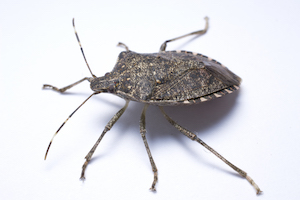
Stink bugs are expected to emerge earlier than usual across parts of the United States, according to the National Pest Management Association’s bi-annual Bug Barometer.
A mild winter followed by a dry spring has created ideal conditions for early activity, meaning homeowners may start noticing these pests sooner than in a typical year. This combination of weather patterns helps explain why there are so many stink bugs this year in parts of the country and why activity may feel higher than normal.
13 States Expected to See Earlier Stink Bug Activity in 2026
Earlier than normal emergence is expected across the Mid-Atlantic and New England, where seasonal conditions are accelerating stink bug activity. States expected to see early activity include:
- Maine
- New Hampshire
- Vermont
- Massachusetts
- New York
- Rhode Island
- Connecticut
- New Jersey
- Pennsylvania
- Delaware
- Maryland
- Washington, D.C.
- Virginia
In these areas, homeowners may notice stink bugs appearing sooner, especially on warm, sunny days. As temperatures fluctuate, they may also move indoors in search of more stable conditions.
Why Are Stink Bugs a Problem?
Stink bugs are primarily considered a nuisance pest, but they can quickly become overwhelming once they make their way indoors. Their behavior (and their smell) makes them especially frustrating to deal with.
Stink bugs often:
- Emit a strong, unpleasant odor when disturbed or crushed
- Gather in large numbers on walls, windows, and siding
- Invade homes in search of shelter
- Feed on plants, gardens, and crops
What Are Signs of a Stink Bug Infestation?
- Clusters of shield-shaped bugs on windows or siding
- Buzzing around lights indoors
- A lingering musty odor when bugs are disturbed
- Visible entry points around cracks, vents, or gaps
Large numbers of live or dead stink bugs are a strong indicator of an infestation.
Why Are Stink Bugs Entering My Home?
Stink bugs move indoors to escape temperature changes and find sheltered places to overwinter. They typically enter through gaps around windows and doors, cracks in siding or foundations, and openings around utility pipes, vents, and chimneys. They are also attracted to light, which can draw them toward homes.
How Do You Prevent Stink Bugs?
Stink bug prevention starts with making your home less attractive to them and blocking common entry points. A few simple steps can go a long way in keeping these pests outside where they belong:
- Seal cracks and gaps around windows, doors, siding, and utility openings with caulk
- Repair or replace damaged screens, weather-stripping, and install door sweeps
- Turn off unnecessary outdoor lighting and use yellow bulbs to reduce attraction
- Reduce moisture around the home by fixing leaks and clearing clogged drains
- Store food properly and keep surfaces clean to eliminate potential food sources
- Ventilate basements, attics, and crawl spaces, and install screens over vents
- Inspect items like boxes or bags before bringing them indoors
- Trim landscaping and store firewood away from the home
- Avoid crushing stink bugs, which releases odor
- Use a vacuum to remove any bugs that get inside and dispose of the bag promptly
How Do You Get Rid of Stink Bugs?
Avoid crushing stink bugs, as this releases their odor. Instead, use a vacuum to remove them and dispose of the contents elsewhere. Be sure to discard vacuum bags promptly to prevent lingering smells. If you suspect an infestation or have a recurring issue, contact a pest control professional.
Find a Pest Professional in the Mid-Atlantic and New England
If you live in one of these 13 states and are expecting early stink bug activity, now is the time to act. Don’t let them settle in and multiply. Find a local pest professional who can inspect your home, identify entry points, and help keep them out for the season.
PestWorld’s Find a Pro tool connects you with a licensed pest control professional in your area, so you can get expert help you can trust.

Learn About Rodents
Rodents invade millions of homes each winter. Learn more about them!

NPMA’s Bugs Without Borders
NPMA’s Bugs Without Borders research uncovers surprising shifts in America’s pest landscape and what homeowners should expect next.

NPMA's Bug Barometer Forecast
The latest Bug Barometer® forecast from the National Pest Management Association reveals what homeowners across America can expect from pest activity this fall and winter.
Find a PEST PRO in your area
Learn About Rodents
Rodents invade millions of homes each winter. Learn more about them!
NPMA’s Bugs Without Borders
NPMA’s Bugs Without Borders research uncovers surprising shifts in America’s pest landscape and what homeowners should expect next.
NPMA's Bug Barometer Forecast
The latest Bug Barometer® forecast from the National Pest Management Association reveals what homeowners across America can expect from pest activity this fall and winter.