
What Do Stink Bugs Eat?
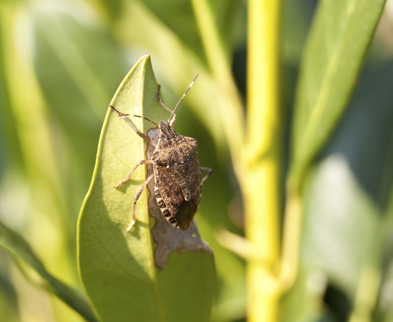
Stink bugs are easy to spot thanks to their shield-shaped bodies and the unpleasant odor they release when threatened. But what makes them especially problematic is their wide-ranging diet. Stink bugs aren’t picky eaters, and knowing what they like can help homeowners protect their yards, gardens and homes.
From backyard vegetables to farmers’ fields, stink bugs have remarkably adaptable eating habits, making them both a serious agricultural pest and an unwelcome guest indoors.
Do Stink Bugs Eat Plants?
Yes. Stink bugs are primarily plant feeders, using their piercing-sucking mouthparts to extract juices from fruits, vegetables, seeds, stems, and leaves. Most species are polyphagous feeders, meaning they'll attack multiple types of plants rather than specializing in just one crop.
Some of the most common plants stink bugs eat include:
- Tomatoes
- Peppers
- Beans
- Corn
- Apples
- Peaches
- Pears
- Soybeans
Among these plant-feeding species, the brown marmorated stink bug (BMSB) is especially destructive. This invasive species eats more than 170 plant species, including tree fruits, vegetables, field crops, and ornamental plants. Their feeding leaves scars and deformities on produce, and the punctures they create allow plant pathogens to enter, causing even more damage.
Not all stink bugs are harmful, however. A few species, like the spined soldier bug, are beneficial because they prey on harmful insects, making them allies rather than enemies in pest management.
What Do Stink Bugs Eat in the House?
Stink bugs typically invade homes during cooler months, as they’re seeking warmth and shelter to survive winter. In the house, stink bugs typically don’t eat and are not a serious threat to indoor plants. Instead, they are simply seeking a cozy place to wait out the winter until warmer weather arrives in the spring.
Indoors, stink bugs are more of a nuisance than a serious threat. The biggest problem is the odor they release when disturbed or crushed.
Protecting Your Home and Garden
Because these insects eat many of the same fruits and vegetables we grow and enjoy, stink bug prevention is important. To limit infestations:
- Practice good garden sanitation
- Seal cracks and gaps around your home to block entry
- Use professional pest control if infestations become severe.
Contact a Stink Bug Control Professional
If you're dealing with unwanted stink bug invasions in your home, contact a licensed pest control professional who can provide targeted solutions to protect your property and peace of mind.

Learn About Rodents
Rodents invade millions of homes each winter. Learn more about them!

NPMA’s Bugs Without Borders
NPMA’s Bugs Without Borders research uncovers surprising shifts in America’s pest landscape and what homeowners should expect next.

NPMA's Bug Barometer Forecast
The latest Bug Barometer® forecast from the National Pest Management Association reveals what homeowners across America can expect from pest activity this fall and winter.
Find a PEST PRO in your area
Learn About Rodents
Rodents invade millions of homes each winter. Learn more about them!
NPMA’s Bugs Without Borders
NPMA’s Bugs Without Borders research uncovers surprising shifts in America’s pest landscape and what homeowners should expect next.
NPMA's Bug Barometer Forecast
The latest Bug Barometer® forecast from the National Pest Management Association reveals what homeowners across America can expect from pest activity this fall and winter.