
Six Pests to Watch for in the Spring & Summer 2026
Spring and summer are some of the best times of year, but they're also prime time for pests. As temperatures climb and outdoor activity increases, so does activity from some of the most common (and potentially harmful) pests around the home.
From ants marching through the kitchen to mosquitoes disrupting backyard gatherings, or even termites quietly damaging your home's structure, the warmer months bring a wide range of unwelcome visitors.
If you want to stay one step ahead this season, it helps to know which pests to look out for, and why they show up in the first place.
1. Ants
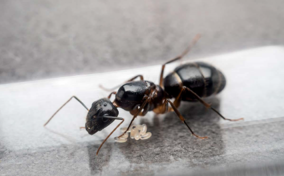
As temperatures rise in the spring, ants become more active and often move indoors in search of food and moisture. According to the NPMA’s Bug Barometer, regional activity patterns to watch this season include:
-
Southeast (North Carolina, South Carolina, Georgia, Alabama, Florida): A warm, wet spring may accelerate ant activity and colony growth, leading to increased pressure earlier in the season.
-
Northwest (Idaho, Washington, Oregon): Mild winter and spring conditions may prompt ants to emerge sooner than expected.
While there are more than 700 ant species in the U.S., about 25 commonly invade homes. Some species, like carpenter ants or red imported fire ants, can cause structural damage to your home or pose health risks, and colonies can grow to hundreds of thousands of individuals.
2. Flies
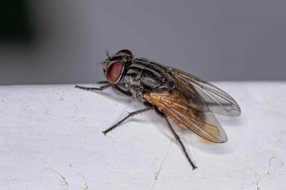
Flies thrive in warm weather, as heat accelerates their breeding cycle. Common species include house flies and fruit flies, each attracted to different food and waste sources.
Where flies may develop this spring and summer 2026:
-
Southwest & Intermountain (Arizona, New Mexico, Utah, Colorado, Nevada, California): Warmer winter temperatures may create ideal conditions for fly activity to build early and remain steady throughout spring and summer.
-
South Central (Mississippi, Tennessee, Louisiana, Arkansas, Oklahoma, Texas): Heavy summer rains and tropical storms may provide perfect breeding grounds, leading to noticeable spikes in fly populations.
-
North Central (North Dakota, South Dakota, Nebraska, Kansas, Montana, Wyoming): Late-season rainfall may drive increased fly activity as summer progresses.
Though often considered a nuisance, flies can spread bacteria and contaminate food and surfaces. Proper sanitation and well maintained window and door screens are essential defenses.
3. Mosquitoes
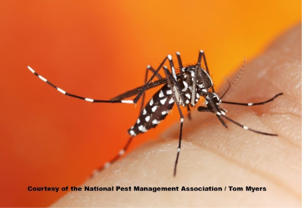
Mosquitoes flourish in heat and humidity, with warm temperatures speeding up their development and breeding cycle. They can lay eggs in as little as half an inch of standing water, making clogged gutters, birdbaths, and overturned containers ideal breeding sites.
Regional trends shaping mosquito activity in spring and summer 2026:
-
South Central (Mississippi, Tennessee, Louisiana, Arkansas, Oklahoma, Texas): A mild, damp spring may lead to earlier mosquito emergence, while heavy summer rains and tropical storms create ideal breeding conditions.
-
Southeast (North Carolina, South Carolina, Georgia, Alabama, Florida): A warm, wet spring combined with storm activity may drive increased mosquito pressure and sudden population surges due to standing water.
-
Northwest (Idaho, Washington, Oregon): Mosquito activity may build later in the season, increasing through the summer as temperatures rise.
Beyond itchy bites, mosquitoes can transmit serious diseases including West Nile virus, dengue and Zika, making personal protection like EPA-registered repellents an important part of any summer routine.
4. Stinging Insects
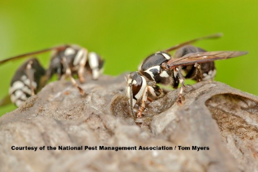
Spring marks the emergence of stinging insects as they begin building new nests, often before people notice. Wasps, yellowjackets and hornets commonly nest in eaves, under decks, inside wall voids, and in other sheltered areas.
What to expect across regions this spring and summer 2026:
-
Mid-Atlantic & New England (Maine, New Hampshire, Vermont, Massachusetts, New York, Rhode Island, Connecticut, New Jersey, Pennsylvania, Delaware, Maryland, Washington, D.C., Virginia): A mild winter and drier spring may lead to earlier-than-usual activity.
-
North Central (North Dakota, South Dakota, Nebraska, Kansas, Montana, Wyoming): Warmer spring conditions followed by above-average summer temperatures may increase pressure from yellowjackets and wasps later in the season.
-
Northwest (Idaho, Washington, Oregon): Mild winter and spring conditions may prompt earlier emergence.
Stinging insects send more than 500,000 people to the emergency room every year, making early nest detection and professional removal an important part of spring and summer home maintenance.
5. Termites
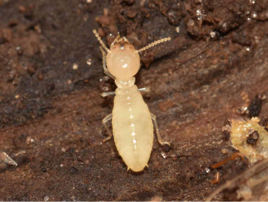
Warming spring temperatures and increased soil moisture trigger termites to emerge and establish new colonies. Termites, known as "silent destroyers," can chew through wood, flooring and even wallpaper without detection.
How termite activity may vary by region in spring and summer 2026:
-
Mid-Atlantic & New England (Maine, New Hampshire, Vermont, Massachusetts, New York, Rhode Island, Connecticut, New Jersey, Pennsylvania, Delaware, Maryland, Washington, D.C., Virginia): A mild winter and drier spring may lead to earlier termite swarms.
-
South Central (Mississippi, Tennessee, Louisiana, Arkansas, Oklahoma, Texas): A mild, damp spring may create ideal conditions for early termite activity.
-
Southeast (North Carolina, South Carolina, Georgia, Alabama, Florida): A warm, wet spring may accelerate termite pressure and colony growth.
The risks to your home are significant: termites cause more than $6.8 billion in property damage each year, and that damage is typically not covered by standard homeowners insurance.
6. Ticks
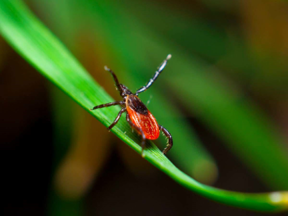
Ticks are arachnids, not insects, and become active in early spring as temperatures rise. They pose a serious health risk, as their bites can transmit illnesses like Lyme disease and Rocky Mountain spotted fever.
Regional activity patterns to watch for in spring and summer 2026:
-
North Central (North Dakota, South Dakota, Nebraska, Kansas, Montana, Wyoming): Warmer spring conditions may trigger an earlier start to tick season.
-
South Central (Texas, Mississippi, Tennessee, Louisiana, Arkansas, Oklahoma): A mild, damp spring may create ideal conditions for ticks to surge early in the season.
-
Mid-Atlantic & New England (Maine, Maryland, New York, Pennsylvania, Virginia, New Hampshire, Vermont, Massachusetts, Rhode Island, Connecticut, New Jersey, Delaware, Washington, D.C.): A mild winter may allow ticks to emerge earlier and remain active longer into the season.
Checking yourself, family members and pets thoroughly after spending time outdoors is essential to reduce the risk of tick-borne illness.
Why Do Bugs Come Out in the Summer?
Pest activity follows the weather. Warmer temperatures, increased moisture, and longer days create the ideal breeding and foraging conditions for many cold-blooded insects and arachnids. Understanding this seasonal rhythm is key because the sooner you take preventive steps, the better your chances of avoiding a full-blown infestation.
Prevention Tips to Get Ahead of the Season
Get ahead of common spring and summer 2026 pests with the following prevention tips:
-
Seal entry points: Inspect your home's exterior for cracks and gaps around windows, doors, utility pipes and foundations. Seal openings with caulk or weatherstripping.
-
Eliminate standing water: Regularly empty birdbaths, gutters, flowerpots and other containers around your property.
-
Maintain your yard: Keep grass trimmed and shrubs pruned away from the home's exterior. Remove leaf litter and debris where pests can hide.
-
Store food properly: Keep food in airtight containers and clean up crumbs and spills right away.
-
Fix moisture issues: Repair leaky pipes and clogged drains. Make sure basements, attics, and crawl spaces are properly ventilated.
-
Schedule a professional inspection: A pest control professional can help identify potential issues before they turn into larger problems.
Find a Pest Control Professional Near You
Even with strong prevention habits, some pest issues require expert attention. A qualified pest control professional can identify vulnerabilities, recommend targeted treatments, and help protect your home year round.
Use our zip code locator to find a trusted service provider in your area and stay ahead of seasonal pest pressures.

Learn About Rodents
Rodents invade millions of homes each winter. Learn more about them!

NPMA’s Bugs Without Borders
NPMA’s Bugs Without Borders research uncovers surprising shifts in America’s pest landscape and what homeowners should expect next.

NPMA's Bug Barometer Forecast
The latest Bug Barometer® forecast from the National Pest Management Association reveals what homeowners across America can expect from pest activity this fall and winter.
Find a PEST PRO in your area
Learn About Rodents
Rodents invade millions of homes each winter. Learn more about them!
NPMA’s Bugs Without Borders
NPMA’s Bugs Without Borders research uncovers surprising shifts in America’s pest landscape and what homeowners should expect next.
NPMA's Bug Barometer Forecast
The latest Bug Barometer® forecast from the National Pest Management Association reveals what homeowners across America can expect from pest activity this fall and winter.