
No Signs of Bed Bugs But I Have Bites: What Is It?
You may notice red, raised bites on your skin but find no signs of bed bugs after checking your mattress, sheets, and bed frame. If you have bites but no signs of bed bugs, those tiny pests may not be the cause. Fleas, mosquitoes, spiders, and other biting pests can produce similar skin reactions.
While it isn’t possible to diagnose the cause of a suspected insect bite just by looking at it, there are clues that bed bugs leave behind that may confirm if they are the cause. Knowing what to look for can help you determine whether you’re dealing with bed bugs or another pest.
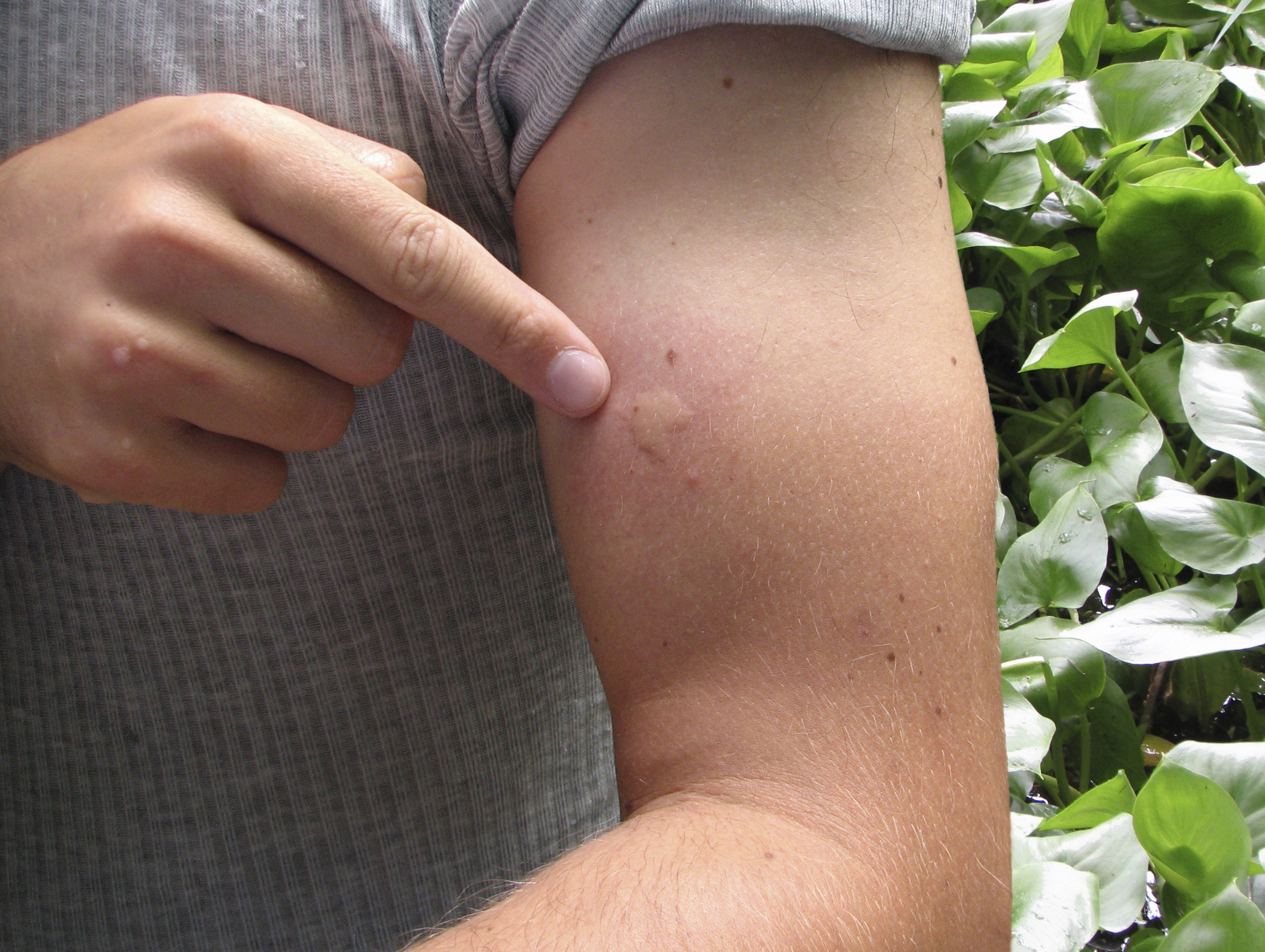
How to Tell if Bed Bugs Are Causing Your Bites
If you’ve spotted bites and want to confirm or rule out bed bugs, look for signs beyond the bites themselves. Bed bugs leave behind evidence that can help determine whether they’re the cause.
Bed bugs are small, oval-shaped, brownish-red pests that are experts in staying out of sight. In addition to bites, common signs of bed bugs include:
-
Reddish-brown fecal spots on your mattress, sheets, or nearby walls
-
Pale, molted skins shed by growing bed bugs
-
Tiny white eggs or empty eggshells in mattress seams
-
The bugs themselves
To inspect for bed bugs, pull back your sheets and carefully check mattress seams and box spring corners. Also look behind the headboard and inspect sofas, chairs, curtains, lamps, alarm clocks, and picture frames, where bed bugs may also hide.
What Do Bed Bug Bites Look Like?
Bed bug bites most commonly appear as red, raised, itchy welts on skin exposed during sleep However, bed bug bites are not always itchy. Because bed bugs inject an anesthetic when they feed, many people do not feel the bite or develop a visible reaction. In fact, about 30% of people in infested homes never develop a visible reaction.
Bed bug bites sometimes appear in a line or cluster, a pattern often referred to as "breakfast, lunch, and dinner." However, if you see 3 bites in a row but do not find any other signs of bed bugs, another biting pest may be responsible.
What Else Could Be Biting You?
If you’ve thoroughly inspected your sleeping area and found no signs of bed bugs, it’s time to consider other possibilities. Other pests that could be responsible for your bites include:
1. Fleas
These parasites feed on the blood of any warm-blooded mammal, including people and pets. Fleas infest areas where pets and people sleep, such as bedding and carpeting, and then rapidly multiply. If you spot a little bug in your bed that does not look like a bed bug, it could be a flea.
Flea bites appear as small, red bumps with a “halo” around the bite center. Their bites remain small and usually appear in groups of three or four, or in a straight line. On humans, bites are commonly found around the ankles or legs, as well as the waist, groin, armpits, and in the skin folds of the elbows and knees.
Although pet owners are most at risk for an infestation, fleas can also hitch a ride into your yard via wildlife and eventually make their way indoors.
2. Mosquitos
Mosquitoes feed on the blood of humans and animals and are widely considered the deadliest animals on the planet due to the diseases they can transmit. They breed in standing water and are most active during the warmer months.
Mosquito bites appear as red, swollen bumps with localized pain and itching. Most people have a mild reaction, but some may experience more significant swelling and inflammation. If you develop headaches, fever, body aches, nausea, or chills after a mosquito bite, contact a medical professional.
Although mosquitoes are primarily an outdoor pest, they can easily make their way indoors through torn window screens or open doors.
3. Spiders
Spiders are not intentionally harmful to humans, and most bites occur when a spider feels threatened or trapped.
Spider bites typically cause redness, swelling, pain, and itching and are usually less painful than a bee sting. The two species of greatest concern in the U.S. are the brown recluse and black widow spiders as they’re both capable of causing more severe reactions. If a bite continues to worsen after 24 hours, or you notice redness spreading, a blister, or a bull's-eye pattern around the site, seek medical attention.
When to Call a Pest Professional
If bites continue and you can't find a clear cause, it’s best to contact a qualified pest control professional. Many biting pests, including bed bugs, reproduce quickly, making infestations increasingly difficult to treat if left undetected. A trained expert can conduct a detailed inspection, identify the pest problem you’re dealing with, and recommend next steps or treatment options.
If you notice increasing redness, swelling, or pain following a bite, seek medical attention promptly. A doctor can help determine whether your skin reaction is from an insect, an allergy, or a skin condition. In the meantime, wash the area with soap and water, and avoid scratching to prevent infection.

Learn About Rodents
Rodents invade millions of homes each winter. Learn more about them!

NPMA’s Bugs Without Borders
NPMA’s Bugs Without Borders research uncovers surprising shifts in America’s pest landscape and what homeowners should expect next.

NPMA's Bug Barometer Forecast
The latest Bug Barometer® forecast from the National Pest Management Association reveals what homeowners across America can expect from pest activity this fall and winter.
Find a PEST PRO in your area
Learn About Rodents
Rodents invade millions of homes each winter. Learn more about them!
NPMA’s Bugs Without Borders
NPMA’s Bugs Without Borders research uncovers surprising shifts in America’s pest landscape and what homeowners should expect next.
NPMA's Bug Barometer Forecast
The latest Bug Barometer® forecast from the National Pest Management Association reveals what homeowners across America can expect from pest activity this fall and winter.