
Healthcare
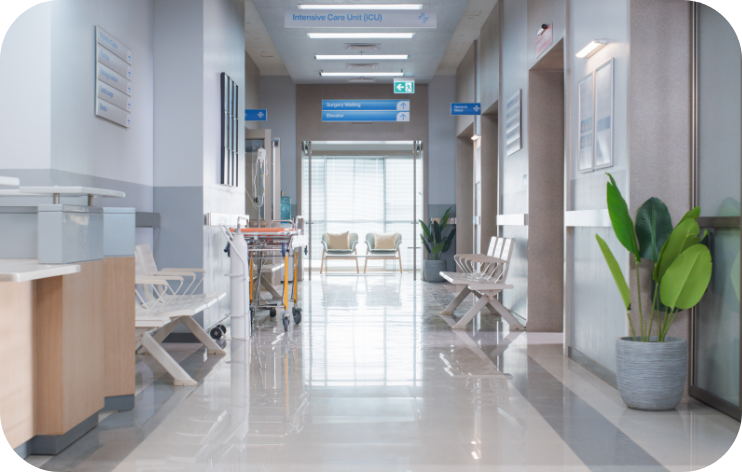
Pest control in healthcare facilities requires a preventive, tightly coordinated approach that protects patients, residents, visitors, employees and sensitive clinical environments. Hospitals, outpatient clinics, long-term care communities and other healthcare settings operate around the clock, leaving little room for service interruptions or reactive pest treatments.
An effective Integrated Pest Management (IPM) program combines routine inspections, sanitation, exclusion, moisture management, monitoring, documentation and targeted control measures. Pest management should be coordinated with infection prevention, environmental services, facilities management, food service, laundry, materials management and clinical leadership.
Healthcare facilities face distinct pest pressures because people, food, medical supplies, deliveries, waste and laundry move throughout the building every day. Kitchens, cafeterias, patient rooms, loading docks, utility spaces, drains and waste areas can provide pests with access to food, water and shelter. That makes pest management an ongoing part of maintaining a safe care environment, not simply a response to a sighting.
Why Is Pest Control Important in Healthcare Facilities?
Pests can contaminate surfaces, damage supplies and equipment, disrupt patient care and undermine confidence in the facility. The Centers for Disease Control and Prevention (CDC) identifies insects and rodents as environmental infection-control concerns in healthcare settings and notes that insects can mechanically transmit microorganisms.
Even a limited pest incident may require immediate evaluation to determine where the activity originated, which areas or materials were exposed and what corrective actions are necessary.
Potential consequences include:
- Contamination of surfaces, food, supplies, storage areas or sensitive/sterile locations
- Disruption of patient care or resident services
- Temporary closure of affected rooms or treatment spaces
- Disposal or relocation of food, linens or supplies
- Emergency cleaning, inspection and treatment costs
- Damage to wiring, insulation and equipment
- Findings during regulatory surveys or accreditation reviews
- Patient, resident, visitor or employee complaints
- Staff distraction and reduced confidence in the care environment
- Negative media coverage or online reviews
- Reputational damage
- Increased scrutiny from patients, families and oversight organizations
Healthcare facilities serve people who may be recovering from illness, managing chronic conditions or living with weakened immune systems. A cockroach in a patient room, mouse droppings in food storage or bed bugs in a waiting area can create an immediate operational and reputational emergency, even when no pest-related disease transmission has been confirmed.
What Pests Are Common in Healthcare Facilities?
Cockroaches, rodents, flies, ants and bed bugs are among the most common healthcare pest threats. Birds, stored-product pests, mosquitoes and occasional invaders may also affect kitchens, loading zones, utility areas and facility grounds.
Cockroaches: German and American cockroaches thrive in areas with warmth, moisture, food residue and protected hiding places. They may be found near kitchens, nourishment stations, utility rooms, drains, vending areas, staff break rooms and equipment. Cockroaches can move through plumbing, wall voids, service chases and narrow structural gaps. They may also be introduced through deliveries, corrugated cardboard, food shipments and personal belongings. Their movement between unsanitary and sensitive areas makes prompt identification and control essential.
Rodents: Mice and rats may enter through loading docks, damaged door sweeps, utility penetrations, roof openings and gaps in the building exterior. Once inside, they can contaminate areas with urine, droppings, hair and nesting material. Rodents can also damage food and medical supply packaging, insulation, electrical wiring and building components. In a healthcare facility, their ability to move through walls, ceilings, mechanical spaces and service corridors can make the source of activity difficult to identify.
Flies: House flies, fruit flies, drain flies, phorid flies and other flying insects may be found near kitchens, cafeterias, drains, waste areas, loading docks and patient nourishment stations. Each species can indicate a different underlying condition. Fruit flies may point to fermenting organic material or beverage residue. Drain flies may develop in buildup inside plumbing. Phorid flies may indicate decaying material, damaged pipes or hidden moisture. Treating visible adult flies without eliminating the breeding source will not provide lasting control.
Ants: Ants may enter healthcare facilities through cracks, doors, windows, landscaping and utility lines in search of moisture, food and shelter. They may appear in patient rooms, kitchens, break rooms, vending areas, pharmacies and other locations where food or water is available. Because ant species differ in their nesting and feeding behavior, correct identification is critical. Treating visible trails without locating the colony can allow activity to continue or spread to other parts of the building.
Bed Bugs: Bed bugs can be introduced into healthcare facilities on clothing, luggage, mobility equipment and personal belongings. Hospitals, waiting areas, rehabilitation centers and long-term care communities may be affected because they receive a continuous flow of patients, residents and visitors. Bed bugs are not known to spread disease, but their bites can cause itching, loss of sleep and psychological distress. A suspected bed bug should be identified promptly before rooms, belongings or furnishings are moved. Unnecessary movement can spread the infestation and increase the scope of remediation.
Birds: Birds may nest around roofs, loading docks, parking structures, courtyards, mechanical systems and covered entrances. Droppings, feathers and nesting materials can create sanitation, maintenance and slip concerns. Bird management must account for the species, nesting status and applicable wildlife laws. Exclusion and habitat modification should be planned by professionals familiar with healthcare properties and protected species.
Stored Product Pests: Indian meal moths, flour beetles, grain beetles and other stored-product pests may infest cereal, flour, pasta, dried goods and nutritional products in healthcare kitchens and food storage areas. They are often introduced through incoming products and may spread through damaged packaging or spilled ingredients.
Business Impact
A pest-related incident in a healthcare facility can escalate quickly because treatment areas, patient rooms and support services must remain available around the clock. An affected room may need to be taken out of service. Patients or residents may need to be relocated. Food, linens, supplies or furnishings may require inspection, isolation or disposal.
Hospitals participating in Medicare must maintain a physical environment that supports safety and infection control and operate an active infection prevention and control program under the Centers for Medicare & Medicaid Services Conditions of Participation. Long-term care facilities are similarly required to maintain clean, sanitary and comfortable environments and operate infection prevention and control programs.
These federal requirements do not establish one dedicated pest control standard for every healthcare facility. Instead, pest activity may be evaluated within the broader context of infection prevention, sanitation, housekeeping and physical plant maintenance.
Beyond regulatory concerns, a visible pest can immediately erode trust. Patients and families expect healthcare environments to meet a higher standard of cleanliness and safety. Images or reports of pest activity can spread quickly online, affecting patient confidence, employee morale, referral relationships and the facility’s reputation.
IPM Prevention Tips for Healthcare Facilities
- Conduct documented inspections of patient care areas, kitchens, loading docks, waste areas, laundry rooms, utility spaces and facility grounds.
- Seal gaps around plumbing, utility lines, doors, windows, vents and wall penetrations.
- Maintain door sweeps and keep loading dock, service and exterior doors closed when they are not in use.
- Inspect incoming food, medical supplies, furnishings, linens and corrugated cardboard for pest evidence.
- Remove unnecessary cardboard from storage and clinical support areas.
- Clean food and beverage spills promptly in patient rooms, nourishment stations, cafeterias, vending areas and employee break rooms.
- Repair leaking pipes, faucets, condensate lines and refrigeration equipment.
- Clean floor drains and eliminate organic buildup that can support flies and cockroaches.
- Store food and nutritional products in sealed, pest-resistant containers.
- Maintain waste rooms, compactors, dumpsters and loading areas on documented cleaning schedules.
- Train staff to report pest sightings immediately with the exact location, time and type of evidence.
- Establish a bed bug response protocol that limits unnecessary movement of patients, belongings, linens and furniture.
- Position insect light traps and other monitoring devices away from exposed food, sterile supplies and sensitive care areas.
- Review pest activity trends with environmental services, facilities management and infection prevention teams.
Why Work With a Pro
Healthcare pest management requires professionals who understand how to work in occupied, sensitive environments without disrupting patient care. They must account for clinical schedules, vulnerable populations, food and pharmacy areas, infection prevention protocols, ventilation systems and restrictions on treatment methods.
A qualified pest management professional does far more than respond to visible pests. They identify the species, trace activity to its source, inspect hidden pathways and recommend sanitation, exclusion and maintenance corrections. They can also coordinate service with nursing, infection prevention, environmental services, facilities management, dietary services and security.
Detailed documentation is especially important. A professional partner provides service reports, device maps, pest activity trends, treatment records and corrective-action recommendations. These records help facility leaders demonstrate that pest risks are being identified, addressed and monitored over time.
- Bonus Tip: Create a written pest escalation matrix before an incident occurs. A pest in a loading dock does not require the same response as a cockroach in a sterile processing area or a suspected bed bug in a patient room. Define who must be notified, whether the area should be restricted and what documentation is required for each risk level.
Work With a Commercial Pest Control Professional
Pest management in healthcare facilities is not a DIY task. Qualified professionals bring the technical expertise, discretion, documentation and operational planning needed to protect patients, residents, employees and continuity of care.

Learn About Rodents
Rodents invade millions of homes each winter. Learn more about them!

NPMA’s Bugs Without Borders
NPMA’s Bugs Without Borders research uncovers surprising shifts in America’s pest landscape and what homeowners should expect next.

NPMA's Bug Barometer Forecast
The latest Bug Barometer® forecast from the National Pest Management Association reveals what homeowners across America can expect from pest activity this fall and winter.
Find a PEST PRO in your area
Learn About Rodents
Rodents invade millions of homes each winter. Learn more about them!
NPMA’s Bugs Without Borders
NPMA’s Bugs Without Borders research uncovers surprising shifts in America’s pest landscape and what homeowners should expect next.
NPMA's Bug Barometer Forecast
The latest Bug Barometer® forecast from the National Pest Management Association reveals what homeowners across America can expect from pest activity this fall and winter.