
Food Processing
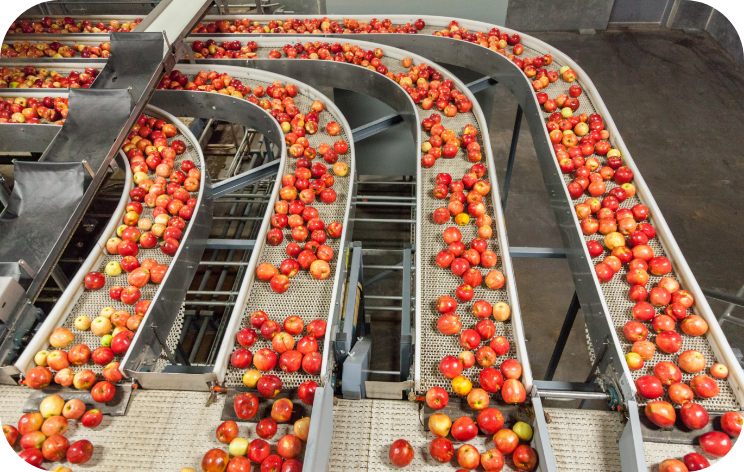
Pest control in food processing facilities requires a preventive, documented approach that addresses how pests enter, where they find food, water and shelter, and how their activity could affect ingredients, packaging, equipment and finished products.
An effective Integrated Pest Management (IPM) program combines routine inspections, sanitation, exclusion, monitoring, documentation and targeted control measures. By addressing the conditions that attract and support pests, food processing facilities can reduce food safety risks, protect business continuity and remain better prepared for regulatory inspections and customer audits.
Food processing operations face distinct pest pressures because they routinely receive, process and store materials that pests can use as food. Once pests enter, they may move through multiple areas of the facility before their activity is detected. That makes pest management more than a response to an occasional sighting, but an ongoing part of protecting the facility’s food safety system.
Why Is Pest Control Important in Food Processing Facilities?
Pest activity can affect food safety, regulatory compliance, production efficiency and customer confidence. Even limited evidence of pests may require an investigation to determine where the activity originated, whether food or packaging was exposed and what corrective actions are necessary.
Potential consequences include:
- Contamination of ingredients, food-contact surfaces or finished products
- Damage to packaging, stored goods, wiring and equipment
- Product holds, rejected ingredients or discarded inventory
- Production delays and unplanned downtime
- Additional cleaning, inspection and corrective-action costs
- Findings during regulatory inspections or third-party audits
- Customer complaints or rejected shipments
- Loss of contracts or supply-chain relationships
- Reputational damage
- Product withdrawals or recalls when safety or integrity is affected
Food processing facilities are especially sensitive environments because one contaminated ingredient or finished product may move through a broad distribution network.
What Pests Are Common in Food Processing Facilities?
Rodents, cockroaches, flies, stored-product pests, ants and birds are among the most common pest threats in food plants. The pests most likely to affect a particular facility depend on its ingredients, processes, structure, geographic location, sanitation practices and surrounding environment.
Rodents: Mice and rats contaminate raw materials, finished product and equipment surfaces through urine, droppings and hair. They damage packaging machinery, compromise product integrity and gnaw through electrical wiring. Rodent activity in a food processing facility can trigger an immediate FDA enforcement action.
Cockroaches: German and American cockroaches carry bacteria that can contaminate food at any point in the production flow. Their ability to travel through wall voids and plumbing systems makes them extraordinarily difficult to contain once established.
Flies: House flies are capable of transferring more than 100 pathogens including Campylobacter, Salmonella and E. coli to food contact surfaces. They breed rapidly in organic waste, floor drains and loading dock residue.
Stored-Product Pests: Merchant grain beetles, Indian meal moths, flour beetles and grain weevils infest raw commodities and finished goods. They are often introduced through incoming ingredients and can spread across entire storage systems before visible signs emerge.
Birds: Pigeons and sparrows nest near loading docks and roof vents. Their droppings are a significant contamination and food safety risk and carry pathogens including Histoplasma and Salmonella.
Ants: Ants may be attracted to sugar, grease, protein, moisture and food residue. Small species can enter through narrow cracks and establish nests in wall voids, equipment spaces or other inaccessible areas. Pharaoh ants are commonly found in commercial food-handling environments and may nest near sources of food and water.
Termites: Termites are not primarily a food contamination threat, but they can damage wooden structural components and other cellulose-based materials. Facilities with wood construction, moisture problems or structural contact with soil may face elevated risk.
Business Impact
A pest-related incident in a food processing facility triggers consequences that compound quickly. An FDA inspection finding can result in a Warning Letter, a consent decree or a mandatory facility shutdown. A product recall is among the most financially devastating events a food brand can experience, with costs running into the millions when accounting for retrieval, disposal, regulatory fines, retailer chargebacks and legal exposure.
Beyond the immediate financial damage, a recall linked to pest contamination carries long-term brand equity loss that is difficult to recover. Retail buyers and contract manufacturers apply their own scrutiny to suppliers who have had a pest-related recall on record.
IPM Prevention Tips for Food Processing Facilities
- Conduct structured weekly inspections of all raw material storage and processing zones with documented findings.
- Maintain equipment in good repair to eliminate harborage gaps and crevices near production lines.
- Rotate all incoming stock using FIFO (First In, First Out) protocols to prevent undisturbed harborage.
- Monitor employee break rooms and locker areas, which are frequently overlooked entry and harborage points.
- Install air curtains at all loading docks and production entry doors.
- Maintain a gravel or non-vegetated perimeter around the facility to reduce rodent harborage.
- Inspect all incoming raw material shipments before they enter the building.
- Position exterior lighting away from facility entry points to reduce flying insect attraction.
- Implement a bird management program at loading docks and roof vents using physical deterrents.
Why Work with A Pro
Food processing pest management requires professionals who are specifically trained in regulated food manufacturing environments. They must understand FSMA documentation requirements, know which products are approved for use in food-contact and non-food-contact zones and be able to produce audit-ready service records on demand.
When an auditor arrives, your pest control documentation is one of the first things they review. A professional partner generates trend reports, corrective action logs, device placement maps and treatment records in the format those auditors expect.
Work With a Licensed Commercial Pest Control Professional
Pest management in this environment is not a DIY task. Qualified professionals bring the expertise, documentation and regulatory knowledge your operation requires.

Learn About Rodents
Rodents invade millions of homes each winter. Learn more about them!

NPMA’s Bugs Without Borders
NPMA’s Bugs Without Borders research uncovers surprising shifts in America’s pest landscape and what homeowners should expect next.

NPMA's Bug Barometer Forecast
The latest Bug Barometer® forecast from the National Pest Management Association reveals what homeowners across America can expect from pest activity this fall and winter.
Find a PEST PRO in your area
Learn About Rodents
Rodents invade millions of homes each winter. Learn more about them!
NPMA’s Bugs Without Borders
NPMA’s Bugs Without Borders research uncovers surprising shifts in America’s pest landscape and what homeowners should expect next.
NPMA's Bug Barometer Forecast
The latest Bug Barometer® forecast from the National Pest Management Association reveals what homeowners across America can expect from pest activity this fall and winter.