
Agriculture
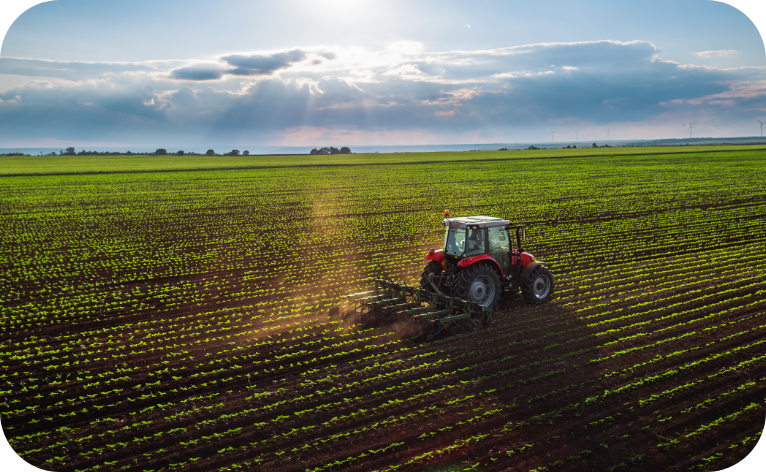
Agricultural pest control is a preventive, site-specific process that protects farm buildings, livestock and poultry housing, grain and feed storage, packinghouses, greenhouses, equipment areas and other agricultural facilities from insects, rodents, birds and wildlife.
An effective Integrated Pest Management (IPM) program combines routine inspections, sanitation, exclusion, moisture management, monitoring, documentation and targeted control measures. By addressing the conditions that attract and support pests, agricultural operations can protect food and feed, reduce product loss, support biosecurity and remain better prepared for regulatory inspections and customer audits.
Agricultural properties face distinct pest pressures because feed, grain, produce, manure, bedding, water and waste may be present across multiple buildings and outdoor areas. Open-sided structures, frequent deliveries, changing seasons and vehicle traffic create additional access points. That makes pest management an ongoing part of protecting the entire operation, not simply a response to pests once they appear.
Why Is Pest Control Important in Agricultural Facilities?
Pest activity can contaminate produce and animal feed, damage stored commodities, affect animal welfare, undermine biosecurity and disrupt operations. Even limited evidence of pests may require an investigation to determine where the activity originated and whether food, feed, animals, packaging or equipment may have been affected.
Potential consequences include:
- Contamination of produce, feed, grain or food-contact surfaces
- Loss or disposal of damaged commodities
- Feed loss and reduced feed quality
- Damage to bags, containers and storage structures
- Increased animal stress and biosecurity concerns
- Damage to wiring, insulation and equipment
- Employee bites, stings or exposure to pest-related health risks
- Rejected shipments or product holds
- Production, packing or distribution delays
- Findings during regulatory inspections or customer audits
- Emergency treatment, sanitation and repair costs
- Damage to customer and supply-chain relationships
Agricultural facilities are complex environments because a pest problem in one area can quickly affect another. Rodents nesting in an equipment shed may forage inside feed storage, while flies developing in manure or decaying organic material may move into animal housing or packing areas.
What Pests Are Common in Agricultural Facilities?
Rodents, flies, stored-product pests, birds, cockroaches, wildlife, ants and stinging insects are among the most common agricultural pest threats. The pests most likely to affect a specific operation depend on its commodities, animals, buildings, climate, seasonal activities and surrounding habitat.
Rodents: Mice and rats are attracted to grain, animal feed, produce, water and protected nesting sites. They can contaminate food, feed and surfaces with droppings, urine, hair and nesting material. Rodents also gnaw through bags, plastic piping, insulation and electrical wiring. Their ability to move between feed, waste and animal areas can create sanitation and biosecurity concerns.
Flies: House flies, stable flies, drain flies, blow flies and other species may develop in manure, wet bedding, spoiled feed, decaying produce, animal remains, drains and standing water. Large fly populations can affect employees, animals and neighboring properties. Because each species has different breeding preferences, accurate identification is essential to finding and eliminating the source.
Stored Product Pests: Indian meal moths, flour beetles, grain beetles, weevils and other stored-product insects can infest grain, feed, seed and dry agricultural commodities. They may arrive through incoming shipments or develop in stored material when moisture, temperature and sanitation conditions allow. Activity may lead to damaged commodities, contamination concerns and rejected products.
Birds: Pigeons, sparrows and other birds may enter barns, packinghouses, equipment sheds, warehouses and open-sided structures. Their droppings, feathers and nesting materials can contaminate surfaces and stored materials. Birds may also consume feed, block drainage systems and introduce parasites associated with their nests.
Cockroaches: Cockroaches may thrive in feed rooms, packing areas, animal housing, employee spaces and utility rooms where food residue, warmth and moisture are available. They can hide in drains, equipment, cardboard, wall voids and structural cracks. Once established, they may move between unsanitary areas and food, feed or contact surfaces.
Wildlife: Raccoons, opossums, squirrels, feral animals and other wildlife may be attracted to feed, water, waste and protected structures. Wildlife can damage buildings, consume or contaminate feed, disturb livestock and undermine biosecurity procedures. Management strategies must account for the species, property conditions and applicable wildlife laws.
Ants: Ants may enter packinghouses, greenhouses, feed areas, offices and farm retail spaces through foundation cracks, utility penetrations and openings around doors. They are attracted to food residue, water and protected nesting sites. Effective control depends on identifying the species, locating the colony and correcting the conditions supporting activity.
Stinging Insects: Wasps, hornets, yellowjackets and bees may nest around barns, sheds, eaves, utility boxes, equipment and fence lines. Their activity can create safety concerns for employees, contractors, customers and agritourism visitors. Proper identification helps distinguish beneficial pollinators from insects creating an immediate structural or safety risk.
Termites: Termites are not a food or feed contamination threat, but they can damage barns, storage buildings, offices and other wooden structures. Moisture problems, wood-to-soil contact and aging construction may increase the risk of structural damage.
Business Impact
A pest problem in an agricultural operation can create consequences across production, storage, animal care and distribution. Contaminated feed may require disposal. Damaged grain or produce may be rejected by buyers. Pest-related equipment damage can interrupt packing, feeding, ventilation or other critical processes. For livestock and poultry operations, pest movement between feed, waste and animal areas can also weaken biosecurity controls.
Regulatory consequences vary by the commodity and activities performed. Under the FDA Produce Safety Rule, covered farms must take reasonably necessary measures to protect covered produce, food-contact surfaces and packing materials from pests in buildings. This includes monitoring for pest activity and taking appropriate exclusion measures in enclosed or partially enclosed buildings.
Pesticides used on agricultural properties must also be approved for the intended site and applied according to their labels. Depending on the operation and application, the EPA Agricultural Worker Protection Standard may impose additional requirements for training, notification, personal protective equipment and restricted-entry periods.
Beyond regulatory risk, recurring pest activity can damage relationships with customers, processors, distributors and retailers. A buyer that finds insects in grain, rodent evidence in a shipment or bird contamination on packing materials may reject the product and apply greater scrutiny to future deliveries.
IPM Prevention Tips for Agricultural Facilities
- Inspect grain, feed, seed, produce, bedding, pallets and reusable containers before they enter storage or production areas.
- Clean spilled feed, grain and produce promptly, including material beneath conveyors, shelving and equipment.
- Store feed and dry commodities in secure, pest-resistant containers or maintained storage structures.
- Rotate stored products and inspect low-movement inventory for webbing, larvae, damaged kernels and other pest evidence.
- Repair gaps around doors, siding, rooflines, vents, drains and utility penetrations.
- Maintain vegetation around sensitive buildings and remove unused materials that provide rodent or wildlife harborage.
- Follow consistent schedules for manure, wet bedding, spoiled feed, produce waste and animal mortality management.
- Repair leaking waterers, irrigation lines, pipes and valves, and remove unnecessary standing water.
- Monitor packinghouses, feed rooms, grain storage, animal housing, equipment sheds and waste areas for pest activity.
- Maintain a property map showing high-risk zones and monitoring-device locations.
- Record pest findings, corrective actions, responsible parties and follow-up results.
- Review pest trends alongside deliveries, harvest cycles, weather, animal movement and sanitation schedules.
- Coordinate bird and wildlife management with applicable conservation, animal welfare and wildlife requirements.
- Use pesticides only when the label permits the target pest, application method and agricultural site.
Why Work With a Pro
Agricultural pest management requires professionals who understand how pest activity intersects with commodities, livestock, food and feed safety, worker protection, biosecurity and seasonal operations. A qualified pest management professional can identify pests accurately, locate entry points and breeding sources, and develop an IPM program suited to the property’s buildings, animals and production schedule.
A professional partner can also help determine which monitoring and treatment methods are appropriate around feed, produce, livestock and sensitive equipment. For organic operations, the provider can coordinate recommendations with the operation’s approved organic system plan and certification requirements.
Their inspection reports, pest activity trends, device maps, treatment records and corrective-action logs provide evidence that the operation is actively managing pest risk. That documentation can be especially valuable during regulatory inspections, certification reviews, customer audits and supplier evaluations.
- Bonus Tip: Agricultural pest patterns often follow operational cycles. Compare activity with planting and harvest periods, incoming feed deliveries, manure-removal schedules, flock or herd movements and seasonal building use. A professional pest management partner can use those trends to address risks before they affect products, animals or operations.
Work With a Commercial Pest Control Professional
Pest management across agricultural facilities is not a DIY task. Qualified professionals bring the technical expertise, documentation and regulatory knowledge needed to protect commodities, animals, employees, structures and business continuity.

Learn About Rodents
Rodents invade millions of homes each winter. Learn more about them!

NPMA’s Bugs Without Borders
NPMA’s Bugs Without Borders research uncovers surprising shifts in America’s pest landscape and what homeowners should expect next.

NPMA's Bug Barometer Forecast
The latest Bug Barometer® forecast from the National Pest Management Association reveals what homeowners across America can expect from pest activity this fall and winter.
Find a PEST PRO in your area
Learn About Rodents
Rodents invade millions of homes each winter. Learn more about them!
NPMA’s Bugs Without Borders
NPMA’s Bugs Without Borders research uncovers surprising shifts in America’s pest landscape and what homeowners should expect next.
NPMA's Bug Barometer Forecast
The latest Bug Barometer® forecast from the National Pest Management Association reveals what homeowners across America can expect from pest activity this fall and winter.