
Why Do Rodents Gnaw? And What It Is Doing to Your Home?
You find a hole chewed through the back of the cabinet. Then bite marks along the baseboard. Then a cereal box gnawed clean through. If rodents have made their way into your home, one thing is clear: they are not going to stop, and there’s a reason for that.
For a long time, it was thought that rodents gnaw because their front teeth never stop growing, and they grind them down to stay healthy.
However, scientists at the University of Michigan found that rodents gnaw because it feels good. Nerve signals from the teeth appear to trigger dopamine pathways in the brain. Rodents don't just gnaw because they have to. And that changes how serious this problem really is.
Why Gnawing Feels Good to Rodents
Mice and rats have chisel-shaped front teeth called incisors that grow continuously throughout their lives. If they don’t wear them down, the teeth can grow out of alignment and can interfere with eating, a serious survival issue.
What the latest research shows is that gnawing is also reinforced by the brain. The act triggers a dopamine release, signaling pleasure and encouraging the behavior to continue. That means once rodents are inside your home, their natural instinct to gnaw isn't just necessary, it’s rewarding.
What Constant Gnawing Does to Your Home
-
Electrical Wiring: Rodents can gnaw through wiring inside walls, increasing the risk of electrical fires. This damage is often hidden and may go unnoticed until it becomes serious, even after the rodent is gone.
-
Pipes and Plumbing: Norway rats can gnaw through plastic and even lead pipes to reach food and water, leading to leaks, water damage and mold that's expensive to fix.
-
Insulation and Structural Materials: Rodents tear through insulation for nesting and chew drywall and wood framing, causing structural damage that can build up quietly over time.
-
Food and Stored Goods: House mice nibble constantly, chewing through cardboard and thin plastic packaging. Contaminated food can carry bacteria and cause foodborne illnesses like Salmonella, which can be serious.
Signs of a Rodents Infestation
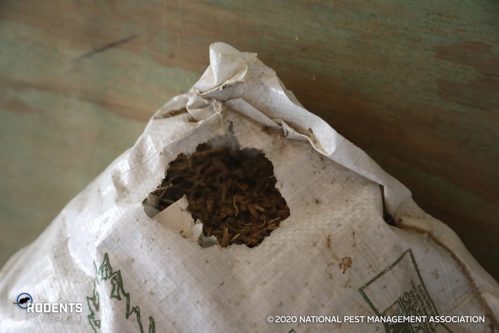
Damage often starts before you ever see a single mouse or rat. Look out for these signs of a rodent infestation:
-
Gnaw marks on baseboards, furniture or food packaging. Fresh marks look rough. Older ones are smooth and may look greasy.
-
Droppings near food sources or along walls. Mouse droppings are small and rod-shaped. Rat droppings are larger and capsule-shaped.
-
Rub marks along walls left by oily fur.
-
Nesting materials like shredded insulation or paper tucked into dark corners.
-
Damaged food packaging with chewed holes or torn edges.
Even one of these signs is enough reason to act. A single female house mouse can produce up to 35 young per year, meaning a small issue can escalate quickly.
How to Keep Rodents Out
You can't stop rodents from gnawing once they’re inside. The most effective approach is keeping them out in the first place. Here’s where to start:
-
Seal holes larger than a dime and gaps wider than a pencil using steel wool or silicone caulk. Mice fit through a dime-sized space. Rats fit through a quarter-sized hole.
-
Install door sweeps on exterior doors and screen vents and chimney openings.
-
Store food in airtight glass or metal containers instead of cardboard or thin plastic.
-
Fix leaky pipes and keep attics, basements and crawl spaces dry.
-
Keep firewood at least 20 feet from your home and trim shrubs back from the foundation.
-
Reduce clutter in garages and storage areas where rodents like to hide and nest.
When to Call a Professional
If you're already seeing signs of activity, it's time to call in a professional pest control company. Rodents find new entry points fast and reproduce quickly.
A licensed pest control professional can inspect your home, identify how rodents are getting in, and develop a plan that works.
Use our zip code locator to find a trusted service provider in your area and stay ahead of potential infestations.
Source: "Why Do Rodents Gnaw? Because It Feels Good" — Science.org, March 10, 2026

Learn About Rodents
Rodents invade millions of homes each winter. Learn more about them!

NPMA’s Bugs Without Borders
NPMA’s Bugs Without Borders research uncovers surprising shifts in America’s pest landscape and what homeowners should expect next.

NPMA's Bug Barometer Forecast
The latest Bug Barometer® forecast from the National Pest Management Association reveals what homeowners across America can expect from pest activity this fall and winter.
Find a PEST PRO in your area
Learn About Rodents
Rodents invade millions of homes each winter. Learn more about them!
NPMA’s Bugs Without Borders
NPMA’s Bugs Without Borders research uncovers surprising shifts in America’s pest landscape and what homeowners should expect next.
NPMA's Bug Barometer Forecast
The latest Bug Barometer® forecast from the National Pest Management Association reveals what homeowners across America can expect from pest activity this fall and winter.