
How Cockroaches Destroy Indoor Air Quality
New Research from NC State University
Article Summary
- Cockroaches don’t just contaminate surfaces, they can also pollute the air inside your home.
- Their droppings, shed skin, saliva, and decomposing bodies release allergens that become airborne.
- Cockroach infestations are linked to elevated levels of indoor allergens and bacterial toxins (endotoxins).
- The larger the infestation, the worse indoor air quality tends to become.
- NC State research shows that professional pest control is necessary to significantly reduce cockroaches and the airborne toxins that degrade indoor air quality.
You know cockroaches are gross. But what most homeowners don’t realize is that these pests could also be quietly damaging the quality of the air you breathe every single day.
A study from North Carolina State University titled “Indoor Allergens and Endotoxins in Relation to Cockroach Infestations in Low-Income Urban Homes” revealed a hidden danger many people never consider. Cockroach infestations don't just contaminate your kitchen and food — they also flood your entire home with dangerous allergens and bacterial toxins called endotoxins.
Even more concerning, the bigger the infestation, the worse your air quality becomes. And here's the kicker: these toxins become airborne, meaning you're breathing them in
What NC State Research Reveals About Cockroaches and Air Quality
Researchers tracked cockroach populations, allergens, and endotoxins in multi-unit apartment complexes in Raleigh, North Carolina, over six months. What they found was alarming.
Homes with professional pest control saw both cockroach numbers and toxic pollutants plummet. But untreated homes? The toxins stayed dangerously high throughout the entire study period.
The conclusion is crystal clear: professional pest control isn't just about getting rid of cockroaches—it's essential for maintaining healthy indoor air quality.
Why Cockroaches Are a Serious Air Quality and Health Threat
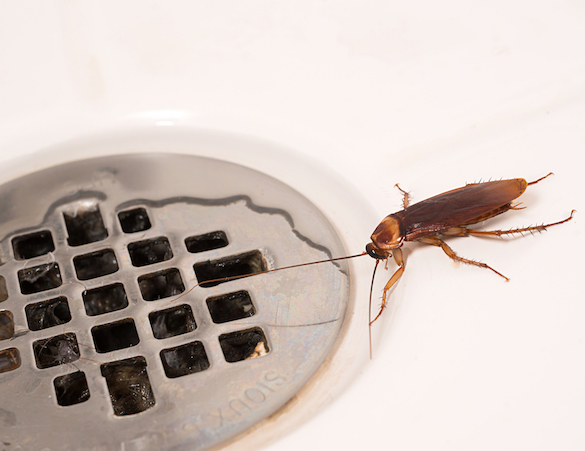
Cockroaches thrive in moist areas like sewers and drains. They pick up germs on their legs and then transfer those germs (along with shed skin and droppings) onto your food and food surfaces.
Here's what makes them particularly dangerous:
1. They spread serious diseases.
Cockroaches are known to spread 33 kinds of bacteria, including E. coli and Salmonella, which cause food-borne illnesses. They also carry six types of parasitic worms and seven kinds of human pathogens. In rare cases, the bacteria they spread can enter your bloodstream and cause life-threatening infections.
2. They trigger asthma and allergies.
The saliva, droppings, and decomposing bodies of cockroaches contain allergen proteins that trigger allergic reactions and increase the severity of asthma symptoms, especially in kids.
3. Female roaches produce higher toxin levels.
The NC State study found that female cockroaches produce twice as much endotoxin as males because they eat more. More eating means more contamination.
4. Kitchens create the highest risk of exposure.
These toxins concentrate where families prepare food and gather most often, making your kitchen one of the most dangerous rooms in your house when cockroaches are present.
Why DIY Cockroach Treatment Doesn't Cut It
Here's the hard truth: small reductions in cockroach populations won't lower allergen levels. You need complete elimination by professionals to see real air quality improvements.
According to the National Pest Management Association, one in eight pest control professionals say German cockroaches are the most difficult pest to control. These pests are masters at hiding and reproducing quickly. A few roaches can turn into a full-blown infestation in weeks.
How to Keep Cockroaches Out of Your Home
Prevention is your first line of defense. Follow these expert tips from the National Pest Management Association:
- Seal entry points. Caulk cracks and crevices around cabinets, baseboards, pipes, and windows. Cockroaches can squeeze through openings as small as a dime.
- Eliminate food sources. Store food in airtight containers, clean up crumbs immediately, and never leave dirty dishes overnight. Even small food particles can attract cockroaches.
- Reduce moisture and humidity. Fix leaky pipes, don't leave standing water, and wipe down sinks before bed. Cockroaches need water to survive, so eliminating moisture makes your home less appealing.
- Declutter. Cockroaches love cardboard boxes and paper clutter—minimize hiding spots by keeping storage areas organized.
- Take out trash regularly. Use sealed garbage cans and empty them daily to remove food odors that attract pests.
- Inspect frequently. Cockroaches love dark hiding places, so check under appliances, garbage cans, and sinks regularly to catch infestations early.
- Don't wait. At the first sign of cockroaches, contact a qualified pest control professional. The longer you wait, the worse the infestation can become.
Find Professional Cockroach Pest Control Near You
The proof is in the research: professional pest control is the most effective way to eliminate cockroaches, and the allergens and endotoxins they leave behind. Studies show that meaningful improvements in indoor air quality only occur when infestations are fully resolved, not partially reduced.
Professional cockroach control helps keep your home free of hidden infestations and reduces the airborne toxins that can affect your family’s health. To help you take the next step, use our zip code search tool to find a qualified pest control professional in your area.
PestWorld is the consumer resource of the nonprofit National Pest Management Association.

Learn About Rodents
Rodents invade millions of homes each winter. Learn more about them!

NPMA’s Bugs Without Borders
NPMA’s Bugs Without Borders research uncovers surprising shifts in America’s pest landscape and what homeowners should expect next.

NPMA's Bug Barometer Forecast
The latest Bug Barometer® forecast from the National Pest Management Association reveals what homeowners across America can expect from pest activity this fall and winter.
Find a PEST PRO in your area
Learn About Rodents
Rodents invade millions of homes each winter. Learn more about them!
NPMA’s Bugs Without Borders
NPMA’s Bugs Without Borders research uncovers surprising shifts in America’s pest landscape and what homeowners should expect next.
NPMA's Bug Barometer Forecast
The latest Bug Barometer® forecast from the National Pest Management Association reveals what homeowners across America can expect from pest activity this fall and winter.