
Chigger Bites vs. Flea, Bed Bug, Tick, and Mosquito Bites
Chiggers, fleas, bed bugs, and ticks are small pests that can cause significant discomfort through their bites. Understanding each pest's unique characteristics and the type of bites they cause is essential for effectively identifying and managing these nuisances.
WHAT ARE CHIGGERS?
Chiggers are tiny, six-legged, wingless mite larvae that eventually mature into adult mites. Although they are extremely small and difficult to see with the naked eye, their presence can be felt due to the intense itching they cause.
As microscopic larvae, chiggers attach themselves to passing mammals or people who brush up against the plants they inhabit. Once attached, they seek out a skin pore or hair follicle to latch onto.
Chiggers tend to attach in areas where clothing fits snugly over the skin, such as around elastic bands or socks, or where skin is thinner and more tender, like the armpits, ankles, behind the knees, and the groin area. After feeding, they detach and enter the nymph stage of their life cycle.
CHIGGER BITES VS FLEA BITES
Fleas are small, wingless insects that act as external parasites to mammals and birds. They are best known for their jumping ability and are commonly found on pets like cats and dogs.
Flea bites are typically small, red, and itchy, often appearing in clusters or lines, particularly on the feet, ankles, and legs. Scratching these bites excessively can lead to soreness and infection. Flea bites are concentrated around the feet and ankles.
Chigger bites are more common on areas where the skin is tighter or thinner, such as the groin or underarms. The itching from chigger bites tends to be more intense and persistent than flea bites, lasting for up to two weeks.
CHIGGER BITES VS BED BUG BITES
Bed bugs are small, reddish-brown insects that feed on the blood of humans and animals. They are nocturnal, typically hiding in cracks and crevices during the day, and often feed while their host is asleep.
Bed bug bites usually appear as red, itchy, swollen welts and may cause skin irritation. However, the severity of symptoms can vary from person to person, and some individuals may not react to the bites at all. Bed bug bites tend to appear in clusters or lines on exposed skin, such as the face, neck, arms, and hands, and may take a few days to appear. They can look like this:
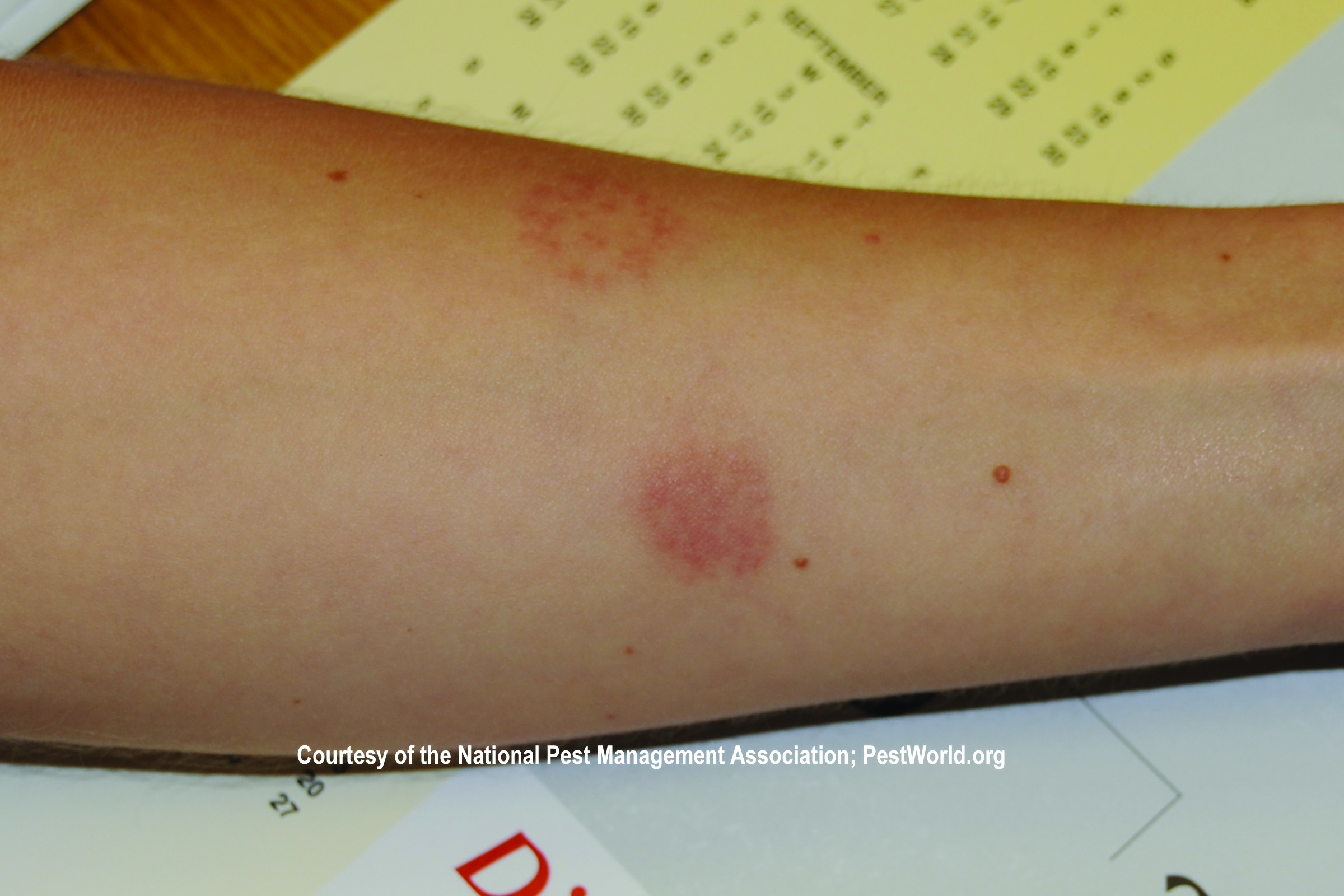
In comparison, chigger bites typically result in flat, red patches or raised bumps, often around areas where clothing is tight, such as the ankles, groin, and wrists.
CHIGGER VS TICK BITES
Ticks are small, blood-feeding arachnids that can transmit serious diseases, such as Lyme disease and Rocky Mountain spotted fever. They are typically found in wooded and grassy areas and are most active during the spring and summer. Ticks latch firmly onto the skin and remain attached while feeding on blood. Their bites are usually painless, which can make them hard to notice until the tick is discovered. They can look like this:
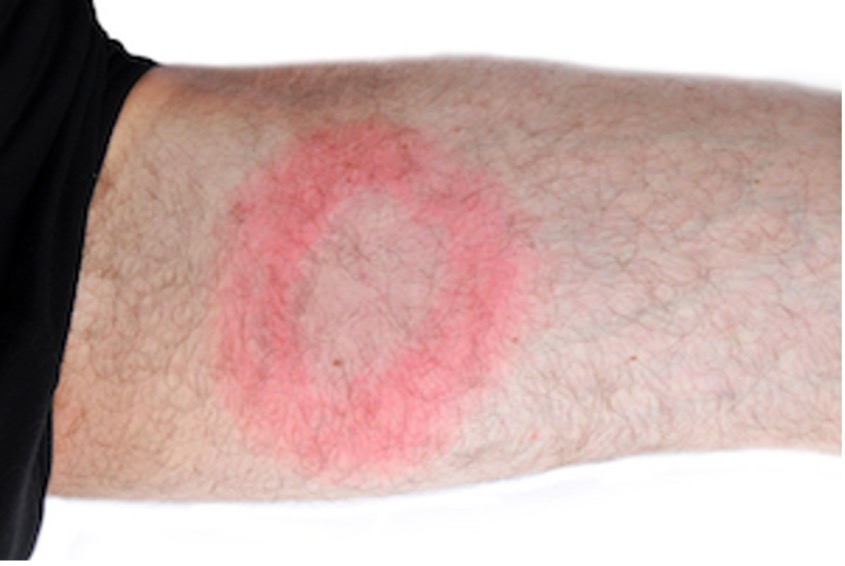
In contrast, chiggers do not burrow into the skin or suck blood; instead, they inject enzymes to break down skin cells and feed on the resulting liquid. While chigger bites cause significant itching, they are not known to transmit deadly diseases in the United States. Unlike ticks, chiggers do not stay attached for long and only feed for a short period before detaching.
CHIGGER VS MOSQUITO BITES
Mosquitoes are flying insects that feed on the blood of humans and animals. They are typically active during the warmer months and are attracted to their hosts by body heat, sweat, and carbon dioxide.
Mosquito bites usually appear as small, red, itchy bumps and can sometimes cause swelling or a rash. They are typically more localized and temporary than chigger bites, but are also known to transmit diseases, including West Nile virus, malaria, and Dengue fever. Mosquitoes bite exposed skin and are often found in areas with standing water.
Chiggers tend to live in grassy, wooded areas and feed on skin cells rather than blood. Chigger bites result in intense itching, and the irritation is often more, lasting for up to two weeks.
HOW TO PREVENT BUG BITES
To reduce the risk of bites from these pests, consider the following prevention strategies:
- Use Insect Repellent: Apply insect repellent containing at least 20% DEET to exposed skin and clothing.
- Wear Protective Clothing: When outdoors, wear long-sleeved shirts, long pants, and closed-toe shoes. Lighter-colored clothing makes it easier to spot ticks and other pests.
- Avoid Infested Areas: Stay away from areas known to be infested with these pests, such as tall grasses, dense vegetation, and areas with poor sanitation.
- Check for Pests: After spending time outdoors, carefully check yourself, your family, and pets for ticks and other pests.
- Maintain Cleanliness: Regularly clean and vacuum your home to remove pests and their eggs.
CONTACT A PEST PROFESSIONAL
If you notice unusual bites or suspect an infestation in your home, don’t wait for the problem to worsen. A licensed pest control professional can inspect your property, identify the source, and provide safe, effective treatment to eliminate pests like chiggers, fleas, bed bugs, ticks, and mosquitoes.

Learn About Rodents
Rodents invade millions of homes each winter. Learn more about them!

NPMA’s Bugs Without Borders
NPMA’s Bugs Without Borders research uncovers surprising shifts in America’s pest landscape and what homeowners should expect next.

NPMA's Bug Barometer Forecast
The latest Bug Barometer® forecast from the National Pest Management Association reveals what homeowners across America can expect from pest activity this fall and winter.
Find a PEST PRO in your area
Learn About Rodents
Rodents invade millions of homes each winter. Learn more about them!
NPMA’s Bugs Without Borders
NPMA’s Bugs Without Borders research uncovers surprising shifts in America’s pest landscape and what homeowners should expect next.
NPMA's Bug Barometer Forecast
The latest Bug Barometer® forecast from the National Pest Management Association reveals what homeowners across America can expect from pest activity this fall and winter.