
Carpenter Ant Damage: Signs, Risks, & How to Protect Your House
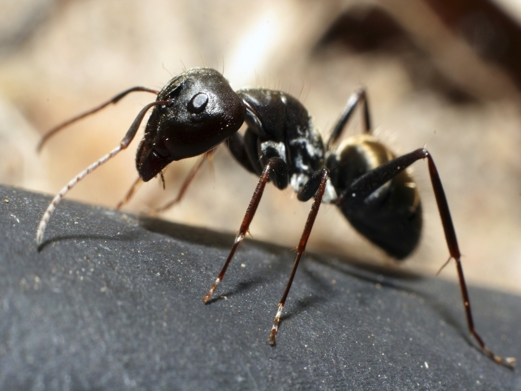
When it comes to wood-destroying insects, termites are often the first pest to come to mind. But there’s another destructive pest that can cause serious damage to a house and other structures: carpenter ants.
Unlike termites, carpenter ants don’t consume wood. Instead, they excavate it to build smooth tunnels and galleries for nesting. Over time, their burrowing activity can seriously compromise the integrity of wooden structures, leading to costly repairs and potential safety concerns.
Appearance and Habits
Carpenter ants range from 1/4 to 3/4 inch in length and are typically black, red, or a mix of both. They are most active during the spring and summer and prefer to nest in moist or decaying wood.
Homes with water damage are especially attractive to these pests. Once inside, carpenter ants can settle into:
- Wooden beams
- Wall voids
- Window frames
- Bathrooms, kitchens, basements, and crawl spaces
Areas around leaky roofs or windows
What Does Carpenter Ant Damage Look Like?
Signs of carpenter ant damage is often subtle at first, making early detection difficult. Look for these key indicators:
Early Warning Signs of Carpenter Ant Damage
- Wood Shavings and Debris: Small openings on wood surfaces with tiny piles of sawdust like material below. They may also contain insulation fragments or insect body parts.
- Rustling Noises: Faint sounds coming from walls, especially at night when ants are most active.
- Winged Ants Indoors: The appearance of swarmers (reproductive carpenter ants seen with wings) inside the home can indicate an active nest.
- Hollow-sounding Wood: Tapping wood may produce a hollow sound if tunnels are present.
Progressive Damage
- Weakened Structures: Carpenter ants can damage support beams, floor joists, and wall studs, compromising the structural integrity and stability of a home.
- Sagging or Warping: In advanced infestations, floors may sag, walls may warp, or minor collapses can occur, especially in damp areas.
- Clean Galleries: Unlike termites, carpenter ants don’t eat wood. They carve smooth, clean tunnels that can stay hidden for years.
Why Spotting Carpenter Ant Damage Early Matters
Because carpenter ants often nest in hidden spaces, the true extent of the damage is rarely visible until a professional inspection is done. By that point, repairs can be costly and invasive.
Contact a Carpenter Ant Professional
Carpenter ants are more than a nuisance; they are a hidden threat to your property. If you suspect a carpenter ant infestation, it’s crucial to act quickly. The best course of action is to contact a licensed pest control professional. They can accurately identify the ant species, locate all nests, and implement a targeted treatment and prevention plan.

Learn About Rodents
Rodents invade millions of homes each winter. Learn more about them!

NPMA’s Bugs Without Borders
NPMA’s Bugs Without Borders research uncovers surprising shifts in America’s pest landscape and what homeowners should expect next.

NPMA's Bug Barometer Forecast
The latest Bug Barometer® forecast from the National Pest Management Association reveals what homeowners across America can expect from pest activity this fall and winter.
Find a PEST PRO in your area
Learn About Rodents
Rodents invade millions of homes each winter. Learn more about them!
NPMA’s Bugs Without Borders
NPMA’s Bugs Without Borders research uncovers surprising shifts in America’s pest landscape and what homeowners should expect next.
NPMA's Bug Barometer Forecast
The latest Bug Barometer® forecast from the National Pest Management Association reveals what homeowners across America can expect from pest activity this fall and winter.