

Closer Than You Think: A New Public Service Announcement from the National Pest Management Association
The pests you don't see can be the ones that matter most. They move quietly through gaps in your walls, along the edges of your kitchen, just beyond the reach of the light. By the time you notice them, they've often been there for a while, building numbers and infesting your property. Rodents, cockroaches, mosquitoes and ticks are more than a nuisance. They can carry bacteria, trigger allergic reactions, and spread diseases that negatively impact real people in real homes every day.
That's the reality at the heart of our newest public service announcement, Closer Than You Think. Through a cinematic, visually striking animation, this campaign follows pests as they navigate the everyday spaces we live, work and gather in because even though they stay just out of sight, their risks are never truly gone.
Awareness is the most powerful tool you have. When you understand where pests hide, what they carry and how they move through your home, you're better equipped to protect yourself, your family and your property from their health risks. Closer Than You Think is a call to pay attention, because the pests you can't see can still impact your health.
Learn more about pests and the risks they pose at PestWorld.org.
60-Second PSA
30-Second PSA
Pests Featured in This Year's PSA
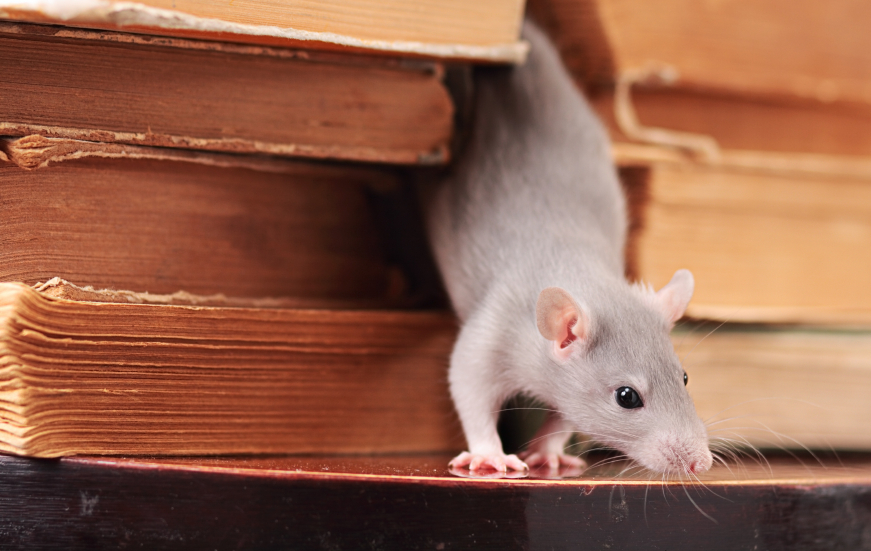
Rodents invade an estimated 21 million U.S. homes every year, with infestations peaking during the colder months when mice and rats seek warmth and food indoors. The health consequences of a rodent infestation can be severe. Rodents serve as vectors for more than 35 diseases, including hantavirus, salmonellosis and rat-bite fever.
Rodent droppings, urine and saliva can contaminate food sources and spread bacteria throughout a home. Rodents are also capable of triggering allergic reactions and asthma attacks. Beyond health risks, these pests can chew through electrical wires, increasing the risk of house fires.
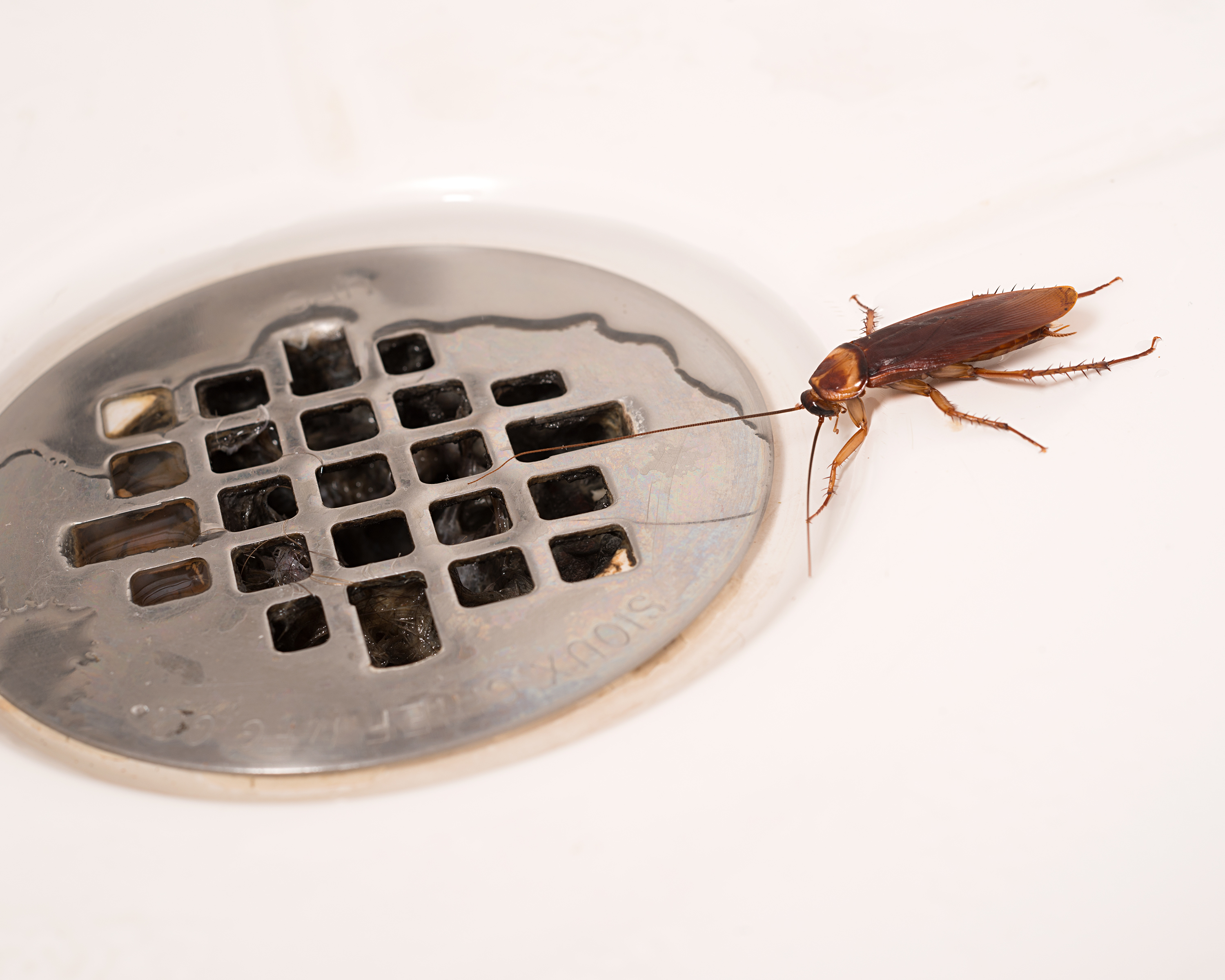
Cockroaches are far more than a household nuisance. These pests are known to spread at least 33 kinds of bacteria, including E. coli and salmonella, as well as six types of parasitic worms and at least seven other kinds of human pathogens. As they crawl through decaying matter, cockroaches pick up germs on the spines of their legs, which can then be transferred to humans through food contamination.
The health risks don't stop there. The saliva, droppings and decomposing bodies of cockroaches contain allergen proteins that are known to trigger allergic reactions and worsen asthma symptoms, particularly in children. Cockroaches thrive in warm, humid environments and are most commonly found in kitchens and bathrooms, where they have easy access to food and moisture.
Mosquitoes are considered one of the deadliest animals on the planet. In the United States, the diseases of greatest concern include West Nile virus, Eastern equine encephalitis and dengue fever. Globally, mosquitoes can also transmit malaria, yellow fever, chikungunya and Zika virus.
Mosquitoes can breed in as little as half an inch of standing water, making birdbaths, flowerpots, clogged gutters, tires and pool covers common breeding grounds. Most species are most active from dusk to dawn.
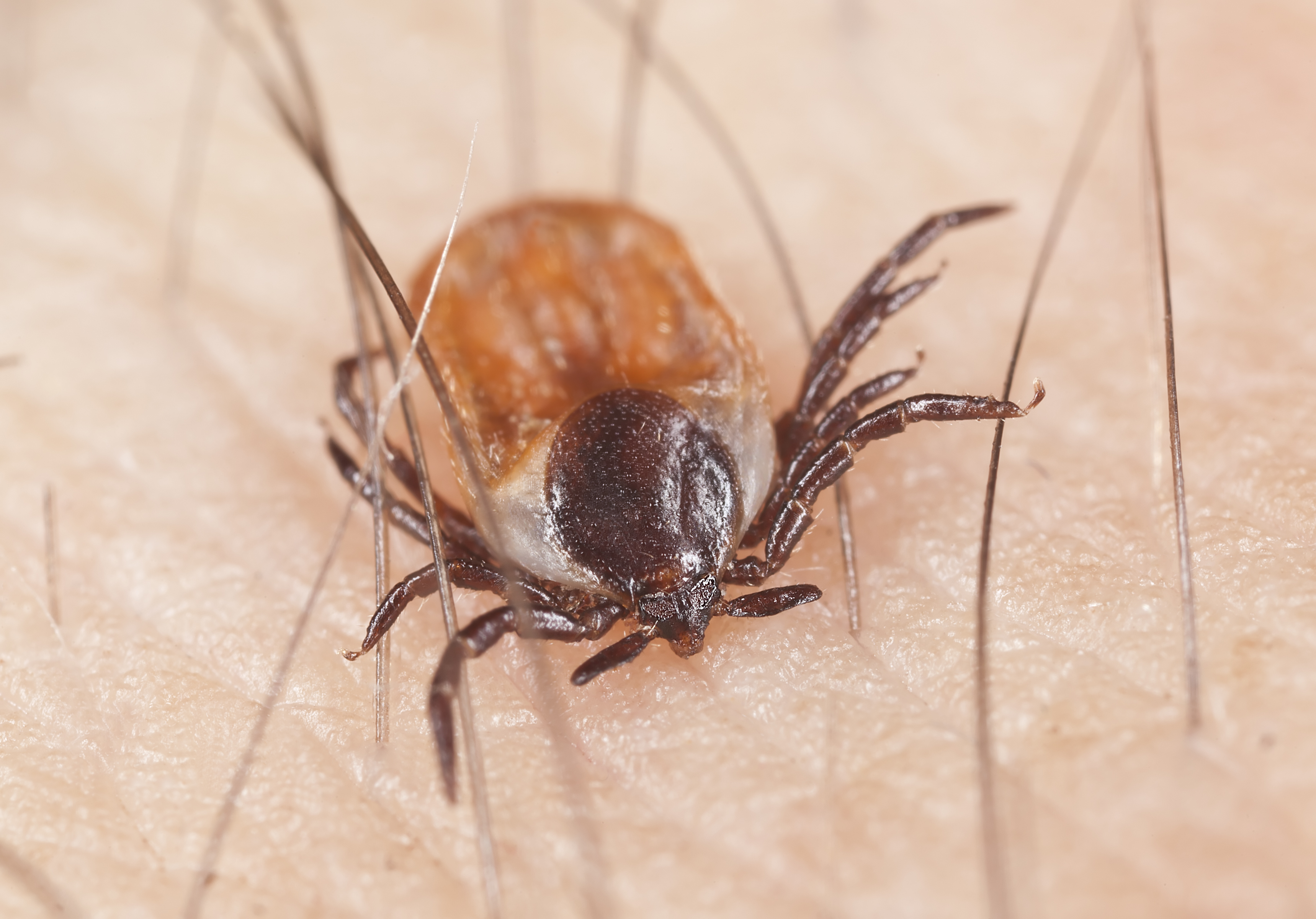
Ticks are significant public health pests capable of transmitting pathogens that cause more than 65 diseases, including Lyme disease, Rocky Mountain spotted fever, anaplasmosis and ehrlichiosis. Certain tick bites from the Lone Star tick have even been linked to alpha-gal syndrome, a potentially life-threatening red meat allergy. Some tick-borne diseases can have long-term health effects if left untreated.
Ticks are commonly found in wooded areas, tall grass and leaf litter. They attach to a host by a behavior called "questing," latching onto skin or clothing as a person or animal brushes past. Ticks typically require 24 to 48 hours of feeding before they can successfully transmit disease, which is why prompt removal is critical.
Prevention Tips You Can Implement Now
Indoors
-
Seal entry points: Inspect your home for cracks, gaps around pipes and openings around doors and windows. Use caulk or weather stripping to close them off.
-
Eliminate food sources: Store pantry items in airtight containers, clean up crumbs and spills promptly and never leave pet food out overnight.
-
Reduce moisture: Fix leaky faucets, use dehumidifiers in damp areas like basements and crawl spaces and ensure proper ventilation.
-
Declutter regularly: Pests thrive in clutter. Cardboard boxes, stacked newspapers and unused storage areas create ideal hiding spots for rodents and cockroaches.
-
Inspect what comes in: Grocery bags, secondhand furniture and luggage can all be entry points. Give items a quick check before bringing them inside.
Outdoors
-
Eliminate standing water: Empty birdbaths, flowerpot saucers, clogged gutters, discarded tires and other containers around your property regularly.
-
Keep grass trimmed: Mow regularly, trim back branches and brush and use wood chips or gravel between wooded areas and your yard.
-
Check yourself and your pets: After spending time outdoors, especially in wooded or grassy areas, do a full-body tick check and shower. Remove any attached ticks promptly.
-
Maintain your yard perimeter: Stack firewood away from the house, trim shrubs and branches that touch your exterior walls and keep outdoor trash cans tightly sealed.
A public service message brought to you by the National Pest Management Association.